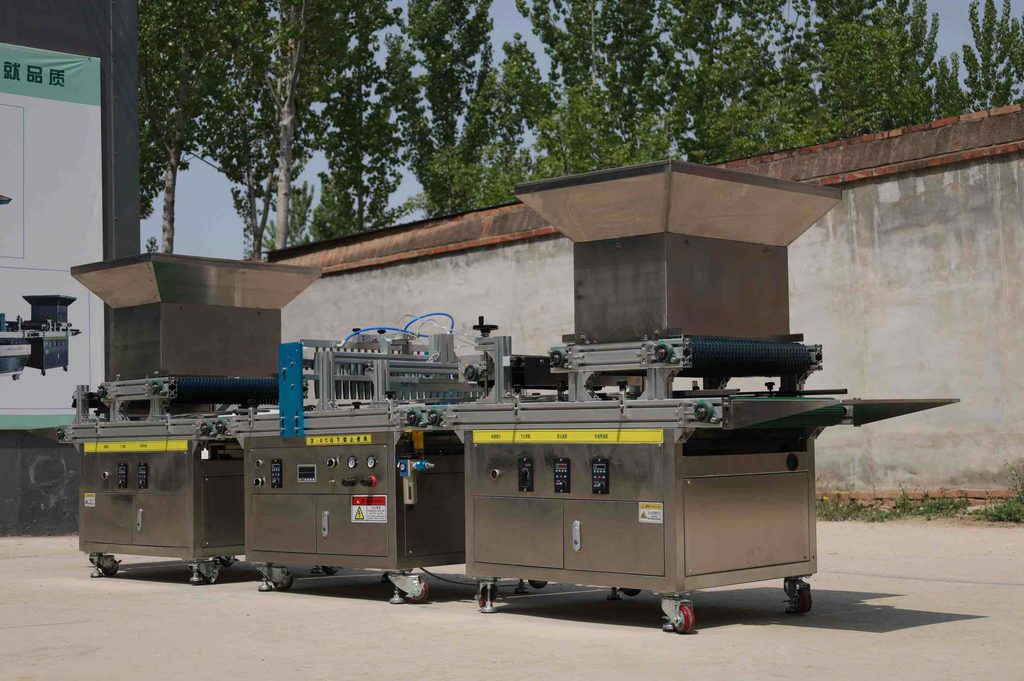
People can raise seedlings by hand, so why spend money on a plug tray seeder?
Manual seedling raising has many complicated steps. It needs lots of workers. Missing sowing or repeated sowing often happens. The work speed is slow, and seedling growth is uneven. It costs much time and labor, and may delay harvest. However, the plug tray seeder solves these problems in the seedling industry.

This automatic plug tray seeder completes seven major processes: filling substrate, leveling, brush cleaning, hole pressing, sowing, second soil filling and re-leveling.
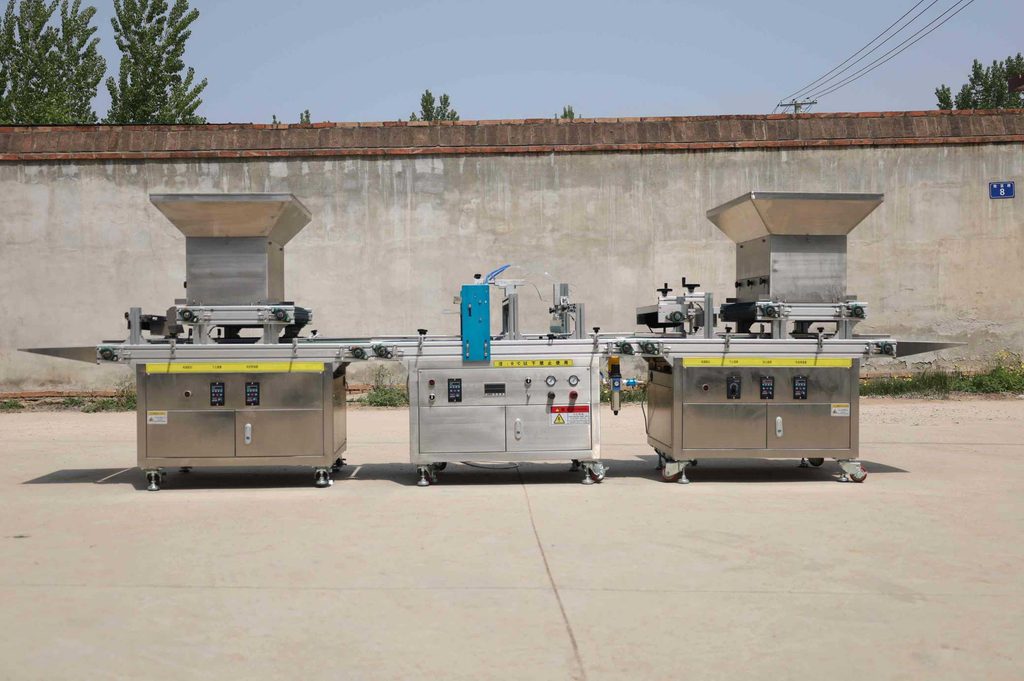
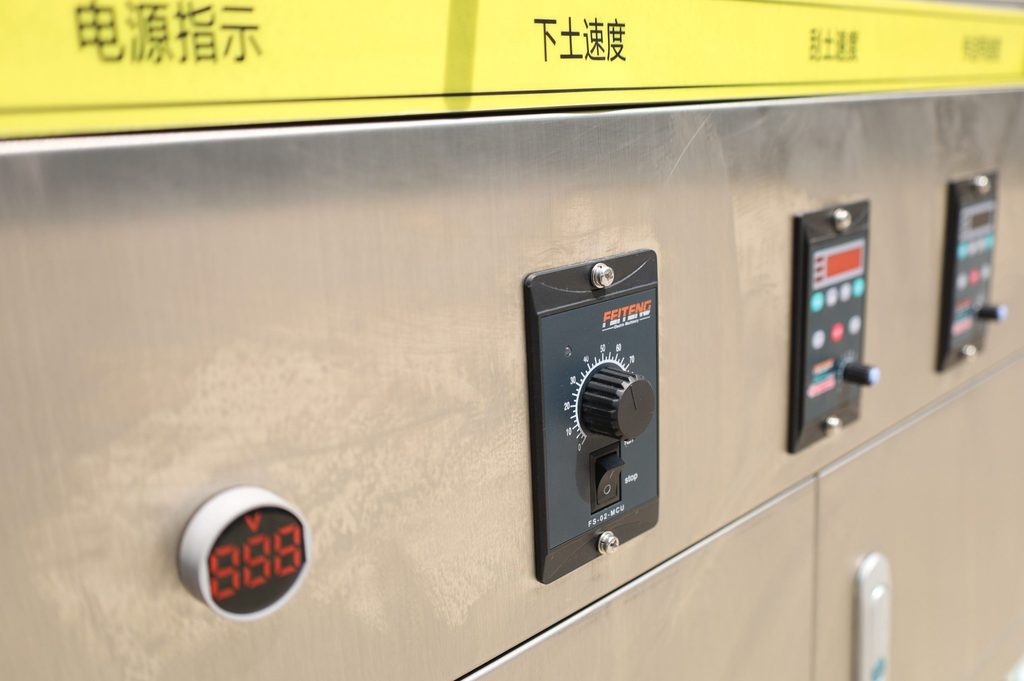
It adopts a control system with built-in smart chips, Panasonic sensors from Japan and AirTAC pneumatic parts from Taiwan. Components from famous brands at home and abroad work together. The production line runs stably with high precision. Its capacity can reach 600 trays per hour.
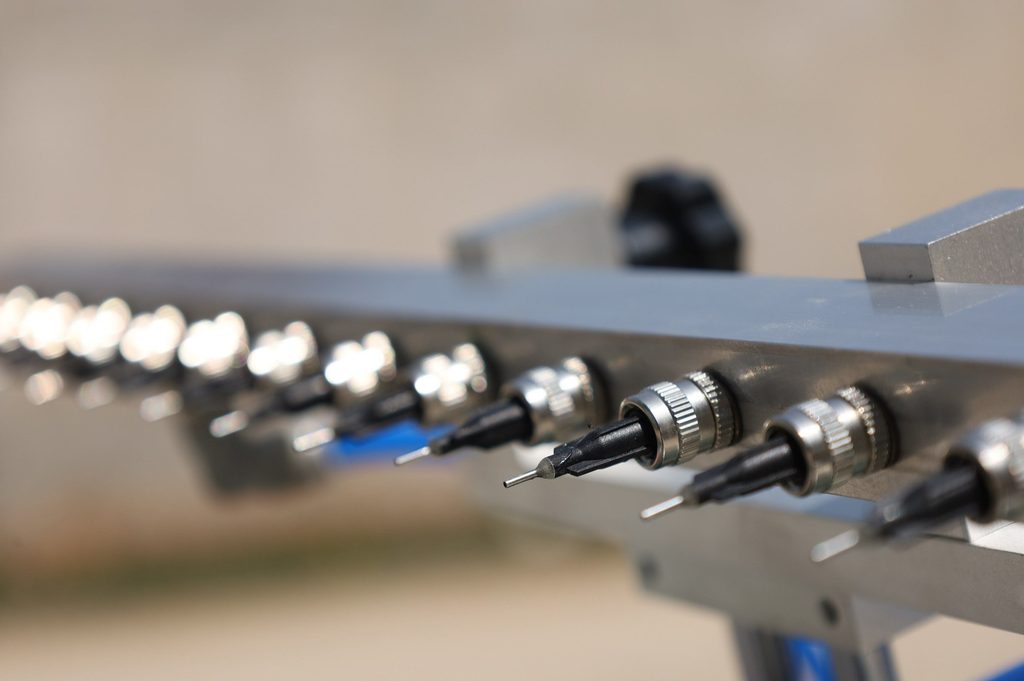
This nursery seeding line uses needle suction sowing. It works for large seeds such as cucumber, watermelon, pumpkin and cantaloupe. It also fits small seeds including pepper, tomato, cabbage, cauliflower, broccoli, celery, lettuce and tobacco.
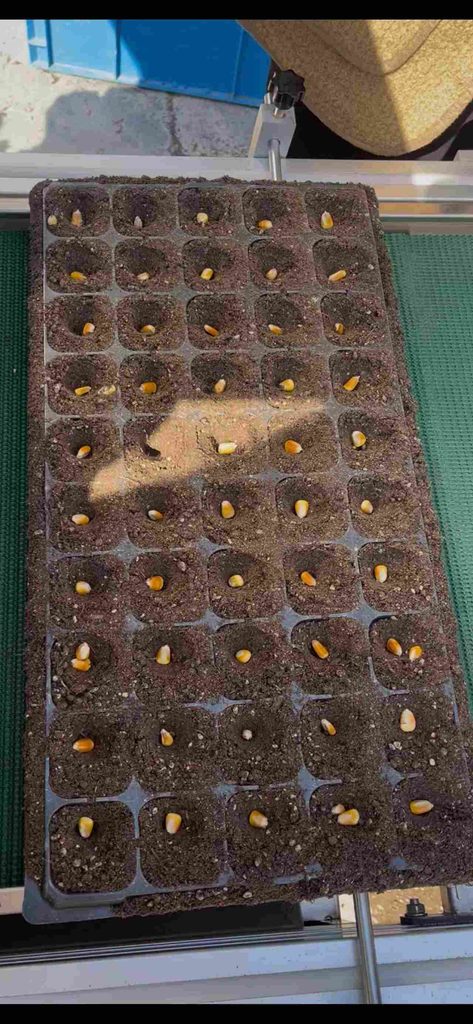
We can equip different suction needles and sowing parts according to seed sizes and plug tray sizes for various crops.
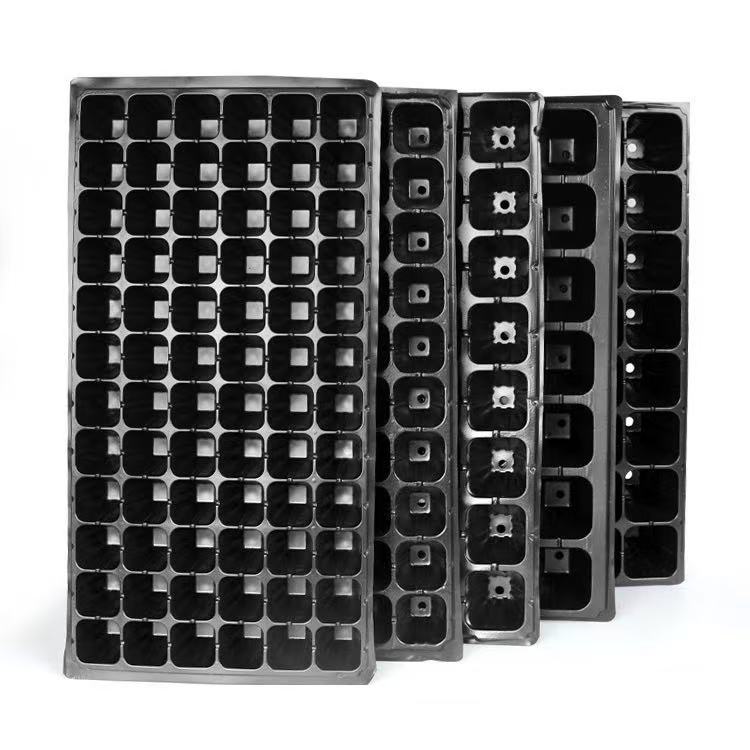
It fits standard plastic trays of 54*28cm, with 50 / 72 / 105 / 128 / 162 / 200 holes.
For manual work, one skilled worker can only finish 200 to 300 trays at most in a full working day. The sowing quality depends heavily on the worker’s experience. During busy farming seasons, it is hard to hire enough workers. With the plug tray seeder, the output reaches 600 trays per hour. Working 8 hours a day, one machine can produce nearly 20 times more trays than manual work.
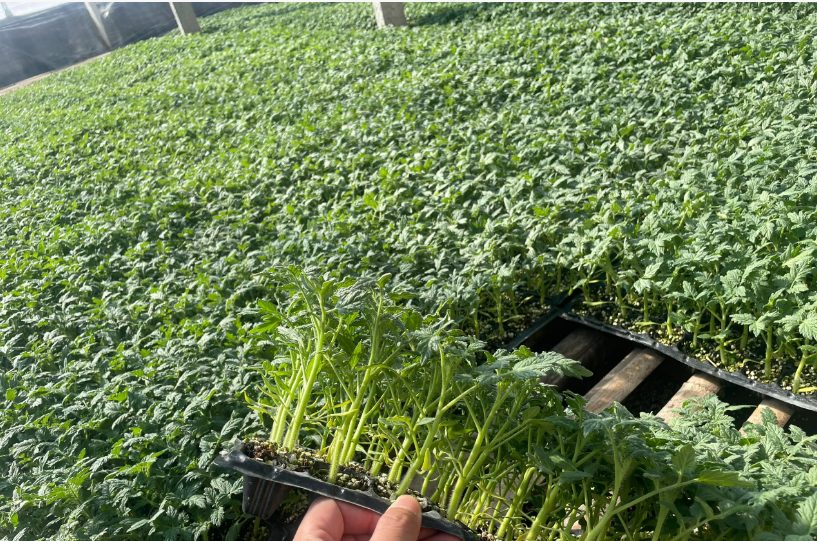
The nursery seeding line can place exactly one seed per hole. It saves seeds and removes the need for thinning seedlings. You can recover most of your machine cost within one seedling season just from savings on seeds and labor.