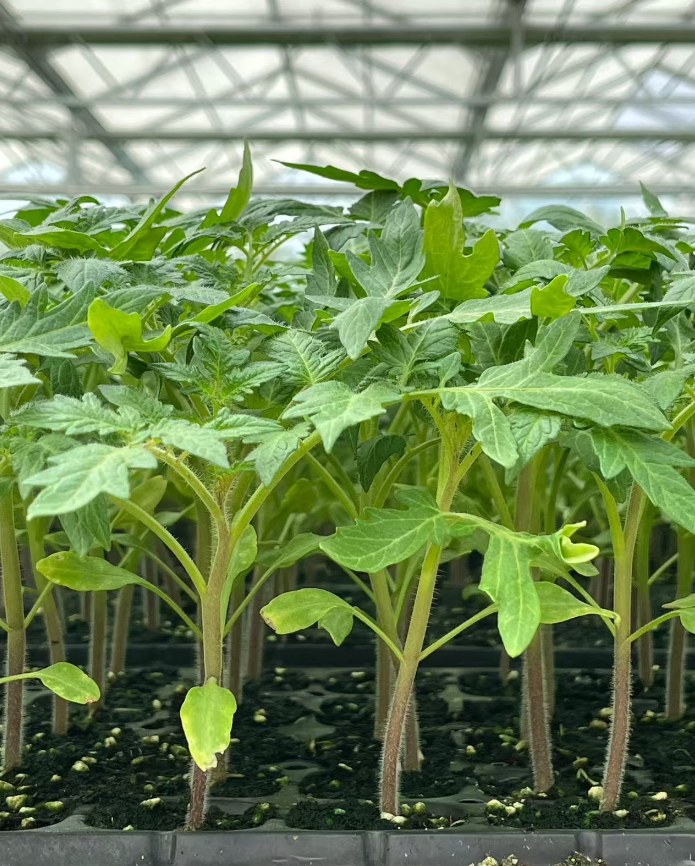
All vegetable growers know that seedling raising is the most troublesome stage. Any mistake in each step will affect seed germination.
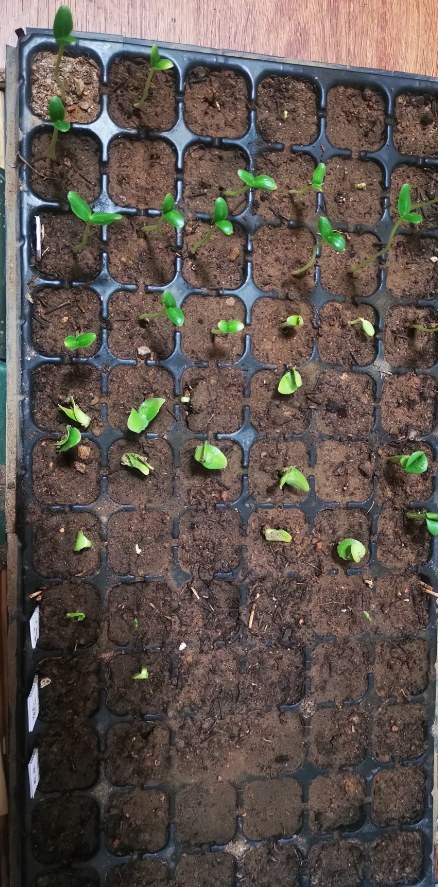
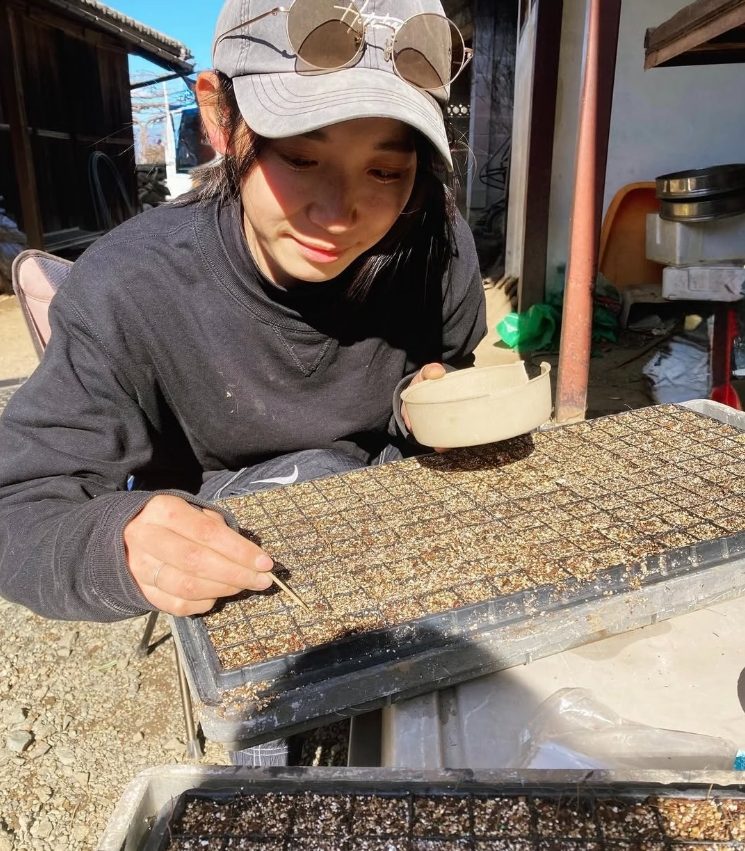
When spring comes, many farmers get busy in greenhouses. Tray filling, hole pressing, sowing, secondary soil filling and leveling — none of these processes can be skipped. Manual seedling raising requires a large workforce, while germination results cannot be guaranteed. It wastes seeds and increases costs.
The nursery seeding line helps growers overcome this difficulty, bringing surprisingly good seedling emergence.
It transforms seedling raising from a labor-dependent manual skill into an equipment-supported production line. The machine integrates six functions: substrate filling, leveling, hole pressing, sowing, secondary backfilling and re-leveling. It cuts down labor input, and only 3 to 5 workers are needed for the whole operation, greatly improving working efficiency.
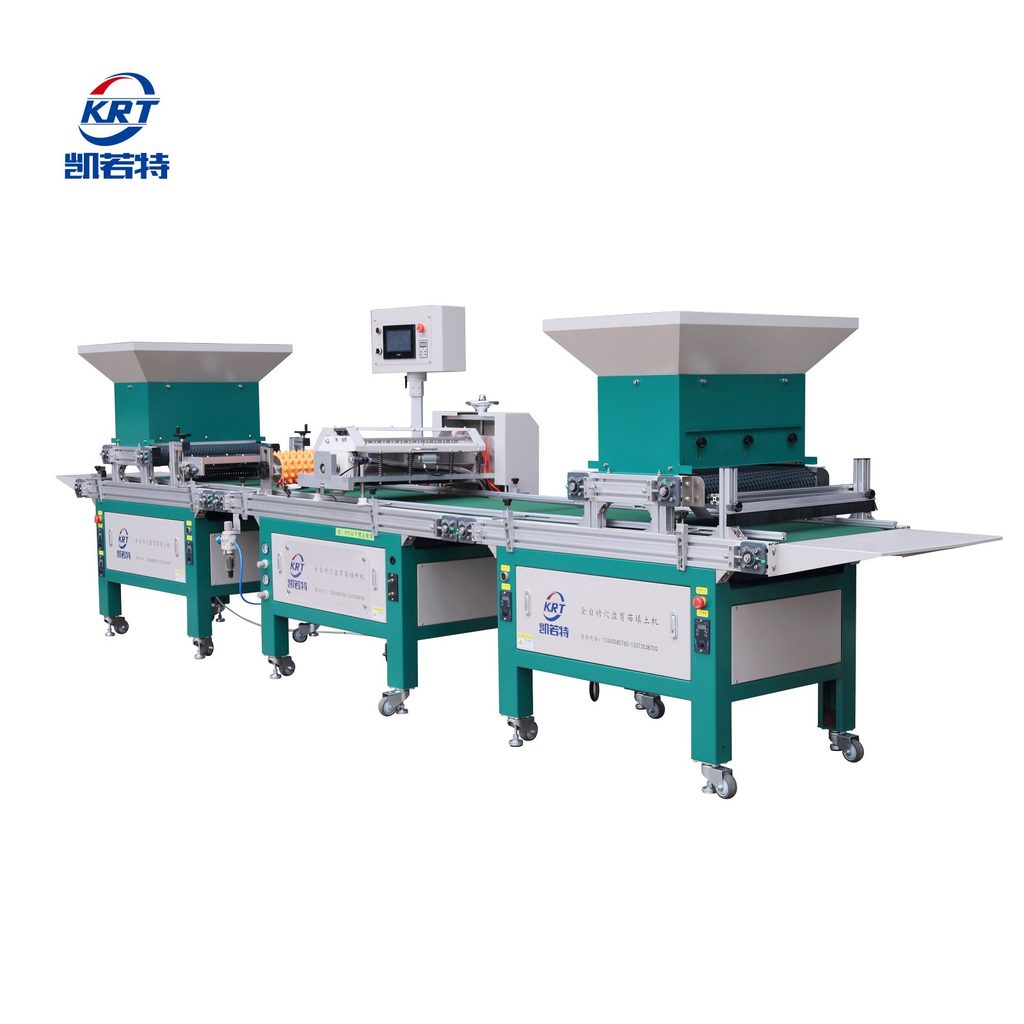
The nursery seeding line can precisely control seed quantity, realizing one seed per cell or multiple seeds per cell. It saves time on supplementary seedling replenishment later. The seedlings have high transplant survival rate and shorter recovery period.
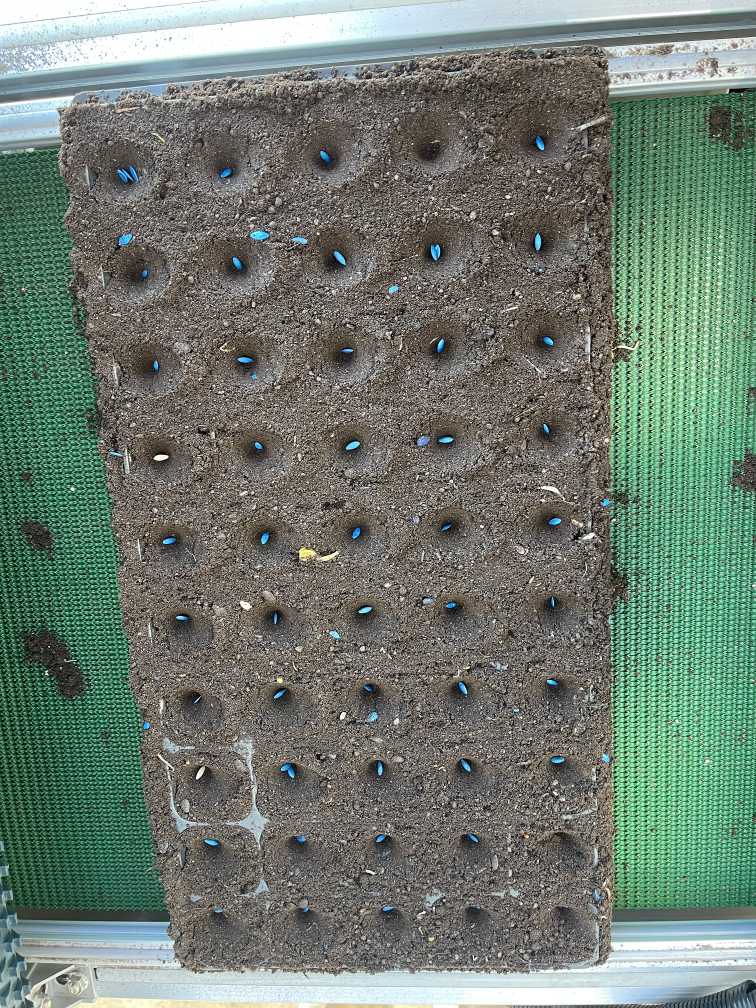
This nursery seeding line is multi-functional. It can sow various crops including pepper, tomato, cabbage, cauliflower, broccoli, celery, lettuce and leaf lettuce.
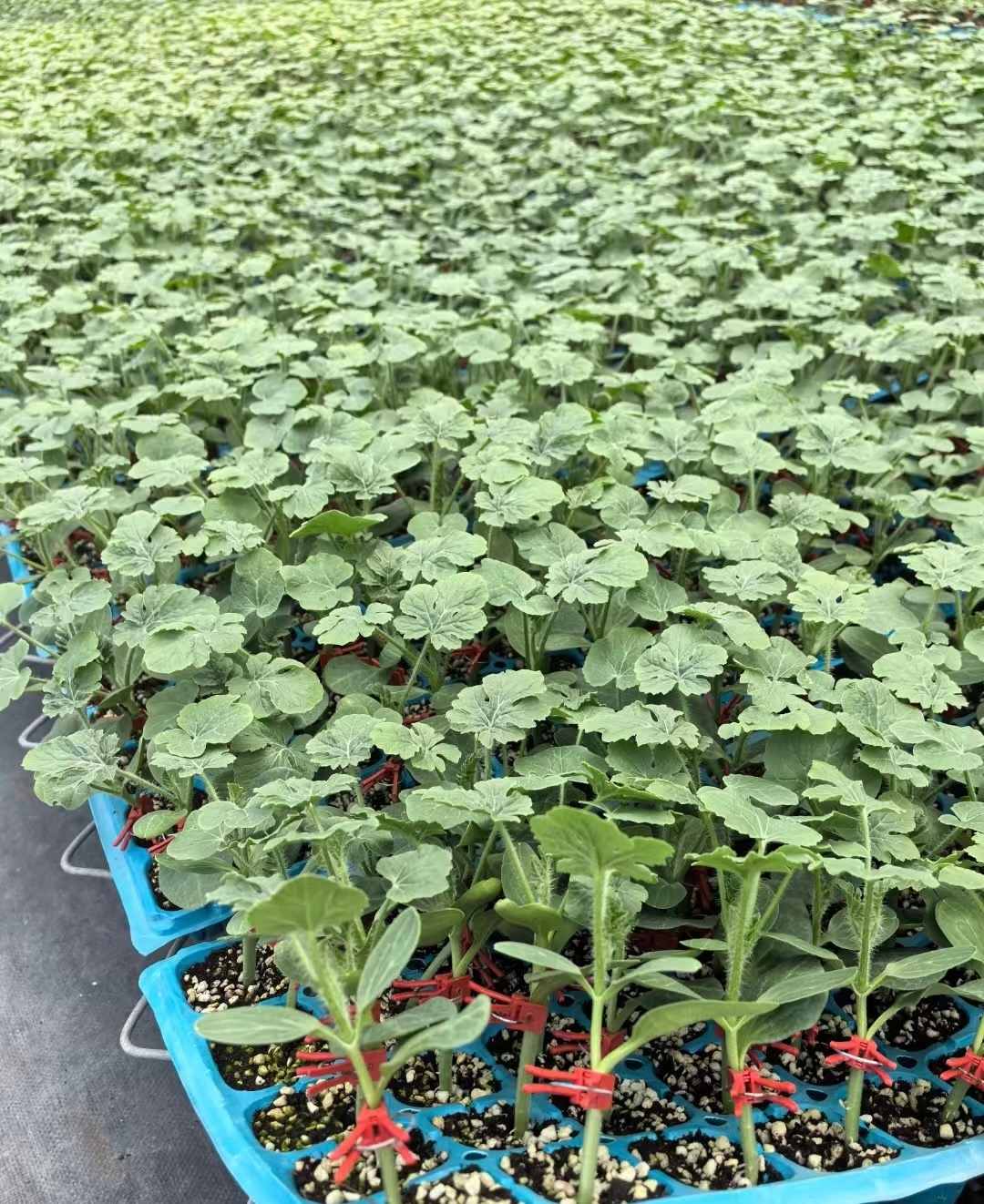
Uniform and consistent seedlings are the core of seedling raising. With manual sowing, seeds germinate unevenly. Transplanting seedlings of different sizes will bring continuous troubles in later management.
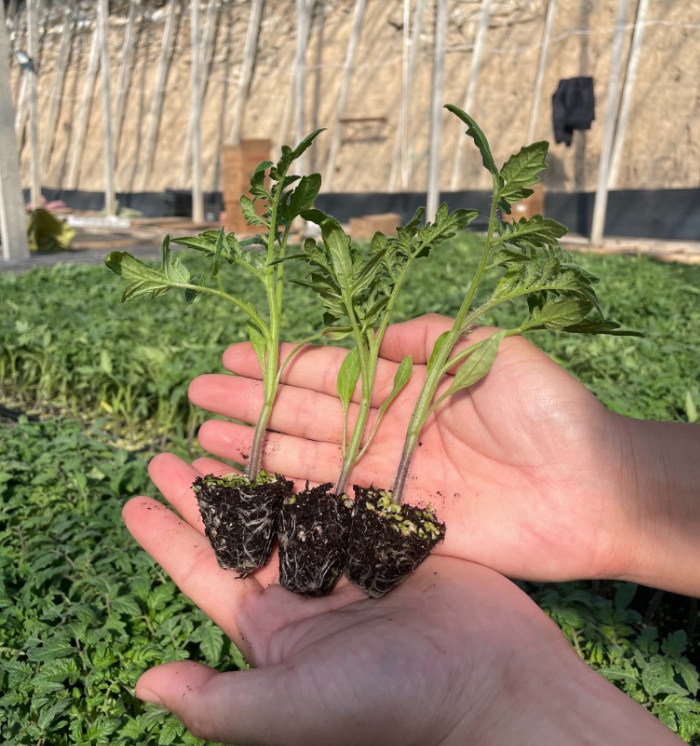
With this nursery seeding line, seedlings emerge uniformly, yields increase, and crops can hit the market earlier to seize market opportunities.