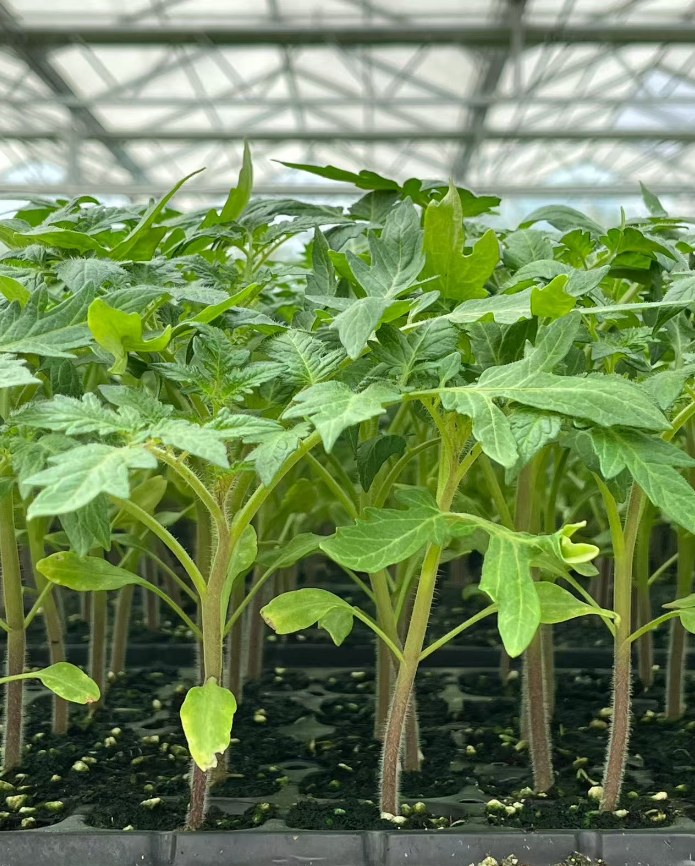
Many growers face difficult problems when sowing tomato seeds during seedling cultivation. Tomato seeds are small in size and have inconsistent shapes. It is difficult to control the uniformity when manually sowing, often resulting in seed wastage due to overly dense sowing or seed shortage and broken rows due to insufficient sowing. After sowing, they also need to squat in the seedling cultivation shed to manually thin out and replant seeds, which not only consumes a lot of time and energy, but also greatly increases labor intensity and labor costs, seriously affecting the efficiency of seedling cultivation.
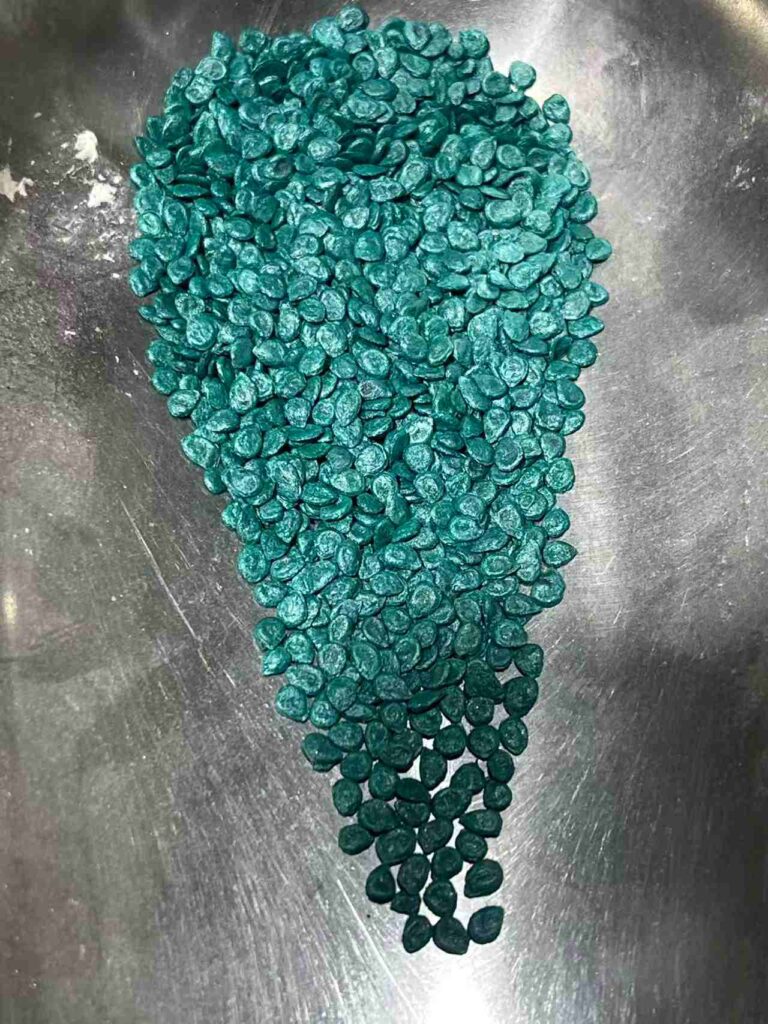
To address various pain points in tomato seedling cultivation and sowing, the seed pellet machine can provide a perfect solution. Through physical processes, it reshapes the seed shape, making the originally irregular and small seeds uniform and consistent, perfectly adapting to mechanized sowing operations, and eliminating many drawbacks of traditional manual sowing.
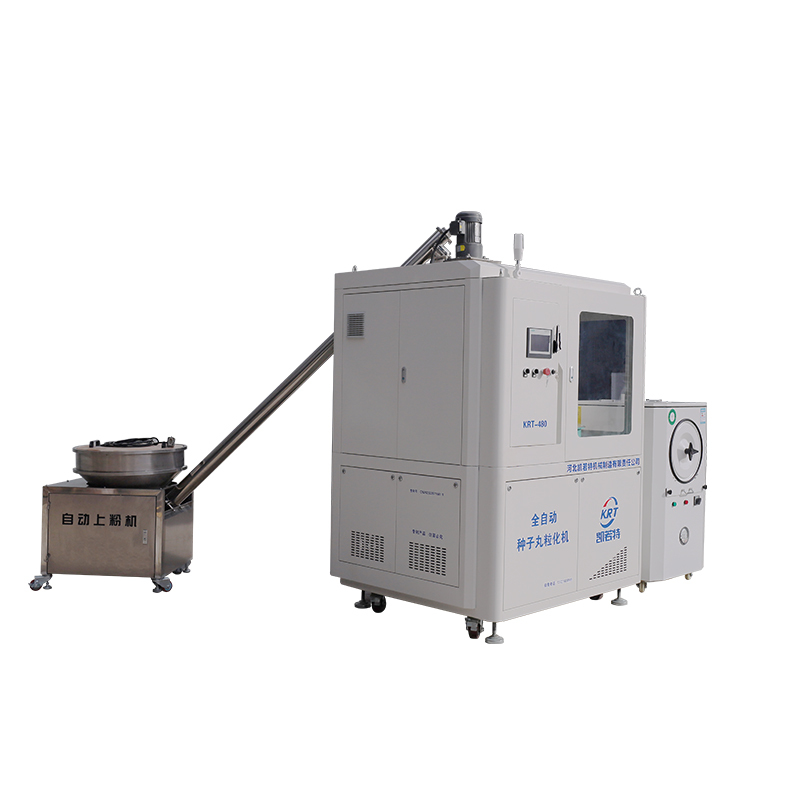
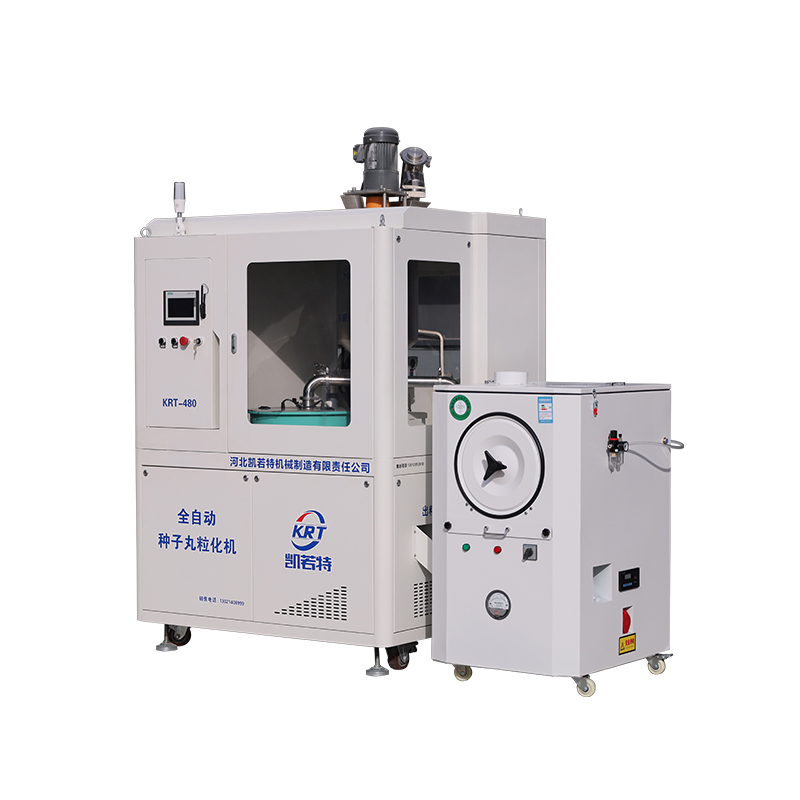
The seed pellet machine has a well-configured structure, mainly consisting of three core components: the pelletizing machine, the pulse dust collector, and the automatic feeding and lifting machine. The entire machine is scientifically designed, simple to operate, and stable in operation, suitable for use in various tomato seedling cultivation bases of different scales.
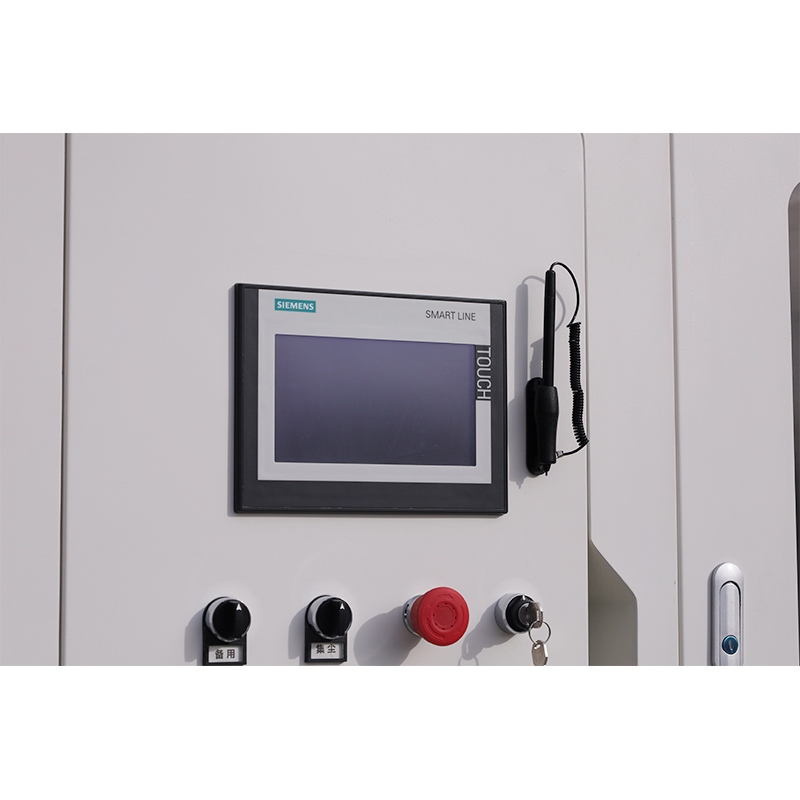
The core of the pelletizing machine is equipped with a Siemens intelligent control screen, which is precise in operation and easy to use. It can precisely control the speed and amount of powder and water feeding, and is fully automated and controllable throughout the process. The equipment system is equipped with nearly a hundred mature pelletizing formulas, covering the planting needs of various crops, and can flexibly select formulas according to different crop seeds. This machine is multi-functional and highly practical.
The seed pellet machine supports one-click automatic operation. Just pour tomato seeds into the pelletizing bucket, and the seeds will float and rotate in the bucket, avoiding stacking and adhesion, allowing each seed to be evenly wrapped by the powder and agents, resulting in uniform and consistent shaping effects, with a single seed rate of over 98%. This fundamentally solves the problems of chaotic seed shapes and uneven sowing.
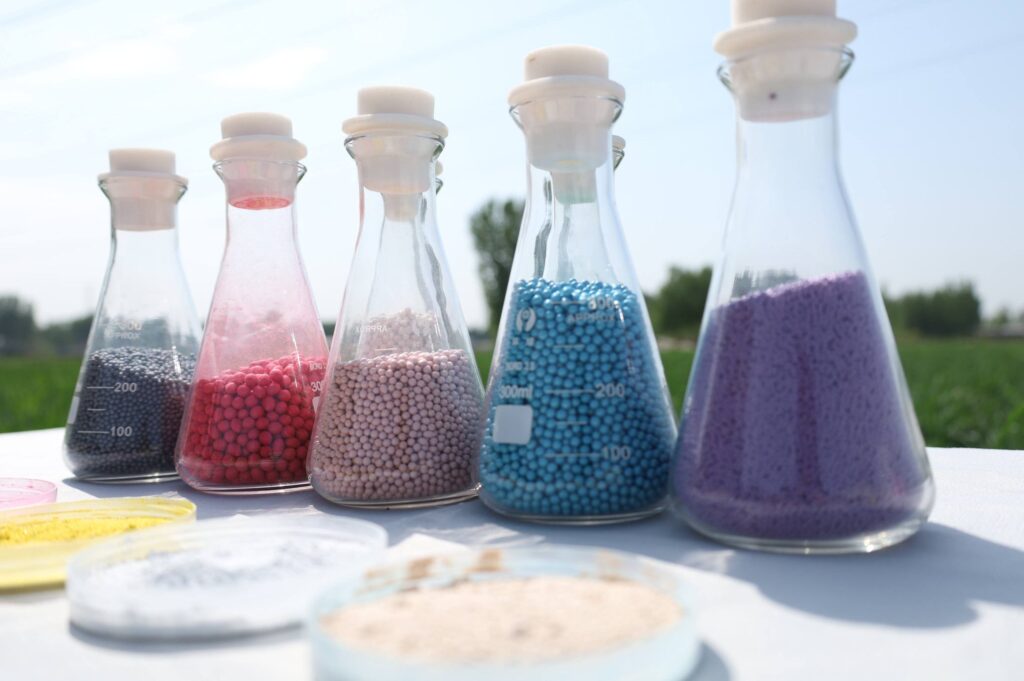
The seed pellet machine adopts a core low-temperature pelletization process, with the entire operation temperature strictly maintained at 15-25℃. The mild low-temperature working environment will not damage the seed embryo, firmly locking the seed’s activity from the process source. After being processed by the pelletization method, the tomato seeds have a higher germination rate of over 98% compared to the original seeds, completing the standardization and optimization of the seed shape and ensuring the germination performance of the seeds to the greatest extent.
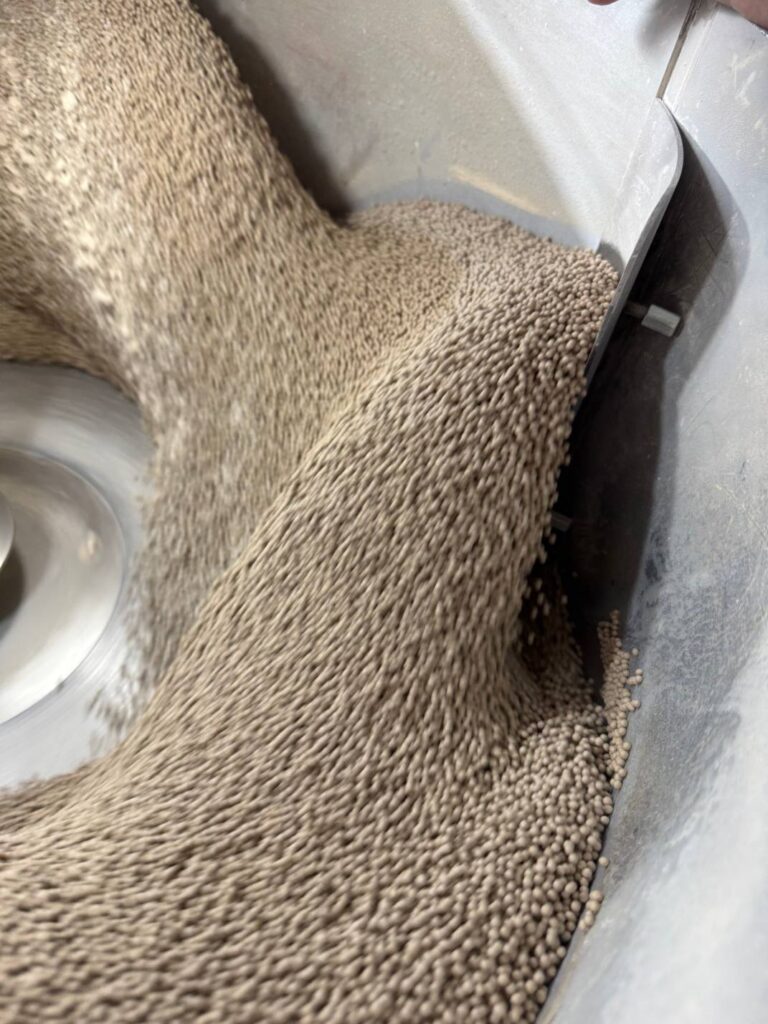
The seed pellet machine supports one-click automatic operation. Just pour tomato seeds into the pelletizing bucket, and the seeds will float and rotate in the bucket, avoiding stacking and adhesion, allowing each seed to be evenly wrapped by the powder and agents, resulting in uniform and consistent shaping effects, with a single seed rate of over 98%. This fundamentally solves the problems of chaotic seed shapes and uneven sowing.
The pulse dust collector attached to the machine can comprehensively collect the fine dust generated during the operation, effectively reducing dust dispersion, eliminating the risk of harm to operators’ bodies from dust, and optimizing the working environment. At the same time, it can recycle and reuse the discarded dust, improving material utilization, reducing raw material waste, and saving production costs.
Overall, after processing with the pellet machine, tomato seeds are fully compatible with mechanized precise sowing, significantly reducing seed loss and saving sowing costs. At the same time, it completely eliminates the cumbersome process of thinning and replanting, significantly improving the efficiency of seedling cultivation, effectively reducing the labor cost of seedling cultivation, and is a necessary equipment for large-scale tomato seedling cultivation.