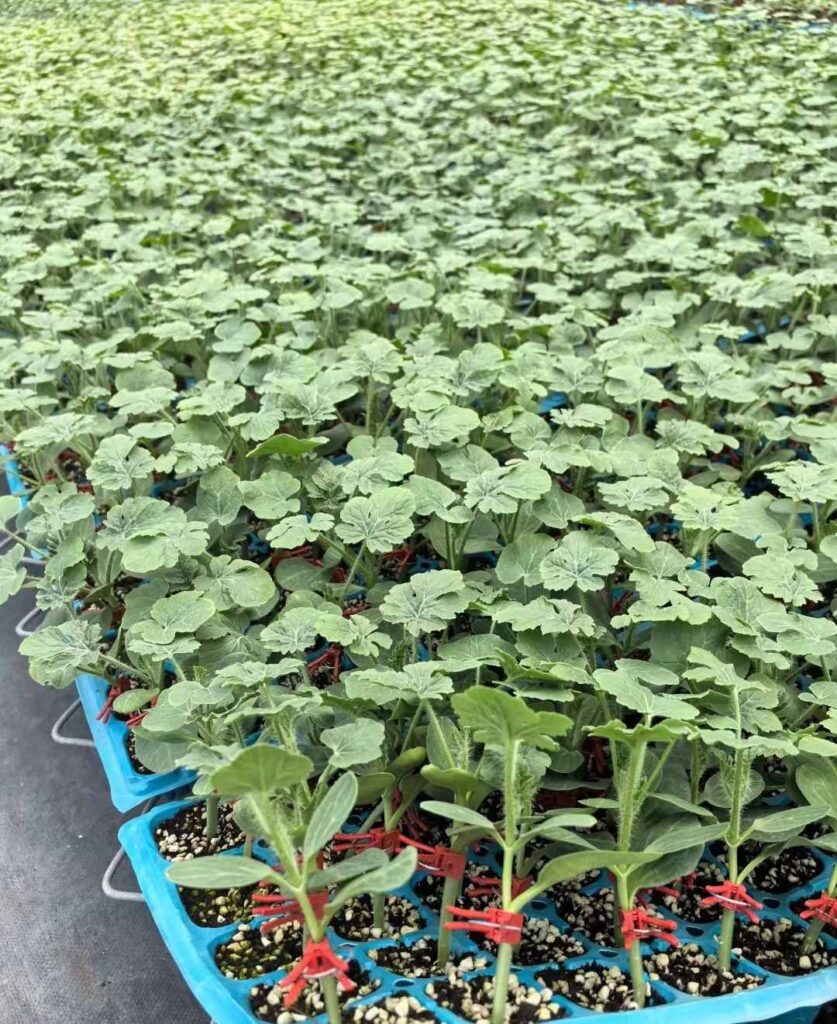
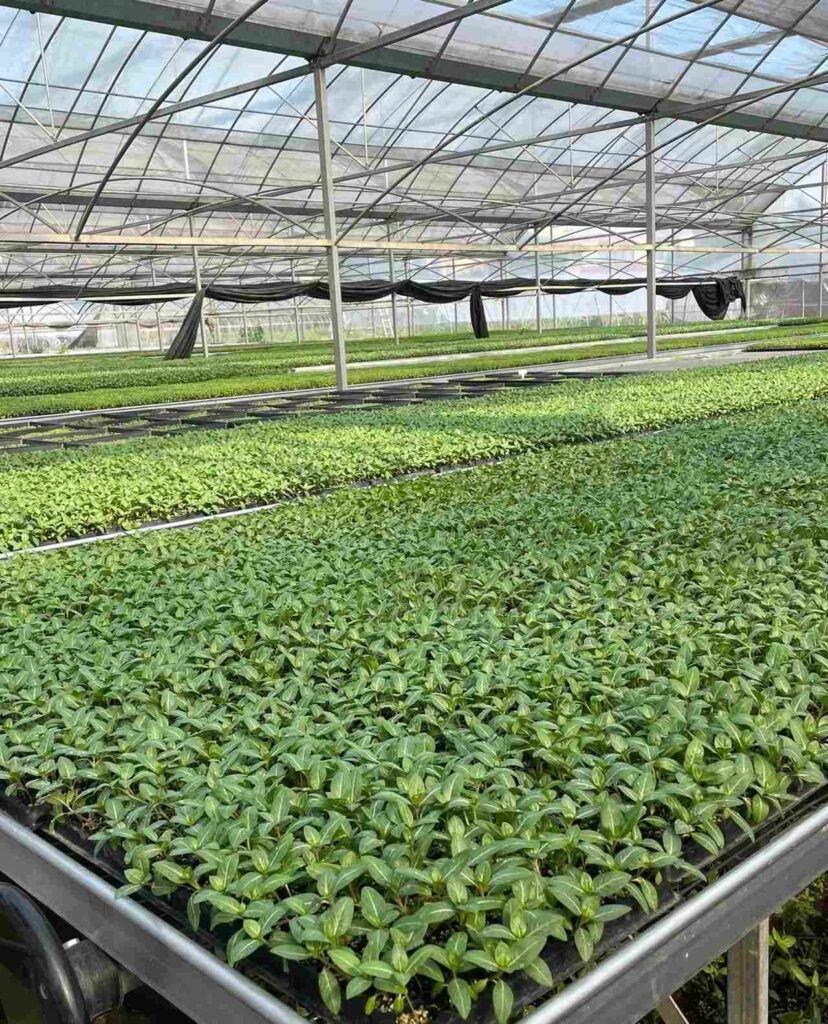
During the peak period of seedling raising each spring, the most exhausting task in the greenhouses is not watering or fertilizing, but planting seeds by lowering them. Loading trays, leveling, making holes, sowing, secondary filling, watering. Even a skilled veteran can’t plant more than 200 trays in a day, and their backs become so tired that they can’t stand up straight. So, we need to look for human labor. Not only is the cost of human labor relatively high, but the seedlings also vary in quality. Replanting becomes frustrating, and expensive seeds are wasted as well.
Since 2, farmers growing tomatoes, peppers, cabbages, and broccoli in the vicinity have all adopted the intelligent seed tray línea de siembra para viveros . Just place this machine in the greenhouse and connect it to the power supply, and it can operate normally.
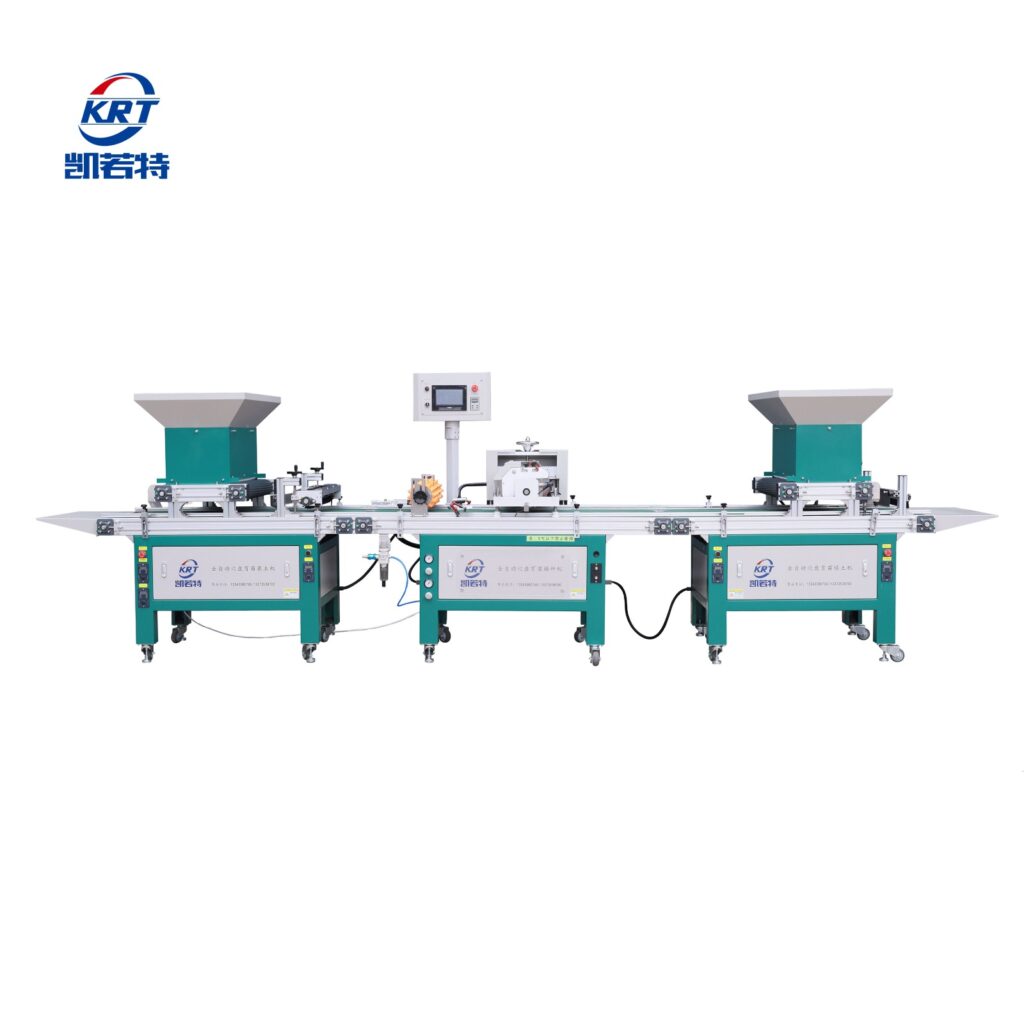
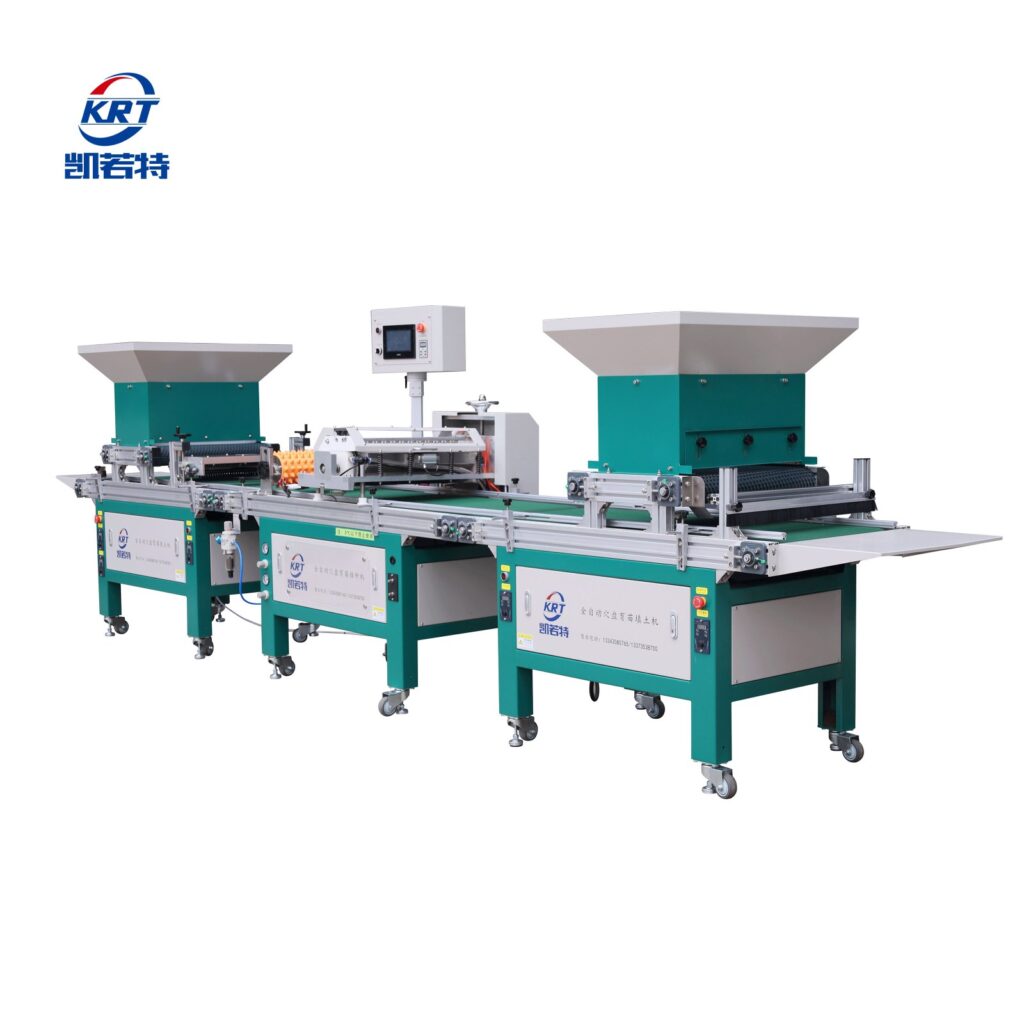
The seed tray línea de siembra para viveros uses the infrared sensor from Panasonic of Japan, which can ensure that every tray is filled with soil and every tray is operational. When the trays are placed on it, it can automatically complete the entire process of substrate filling, leveling, rolling, making holes, sowing, secondary filling, rolling for seedling cultivation. It can sow 800 trays per hour. The efficiency is dozens of times that of manual labor.
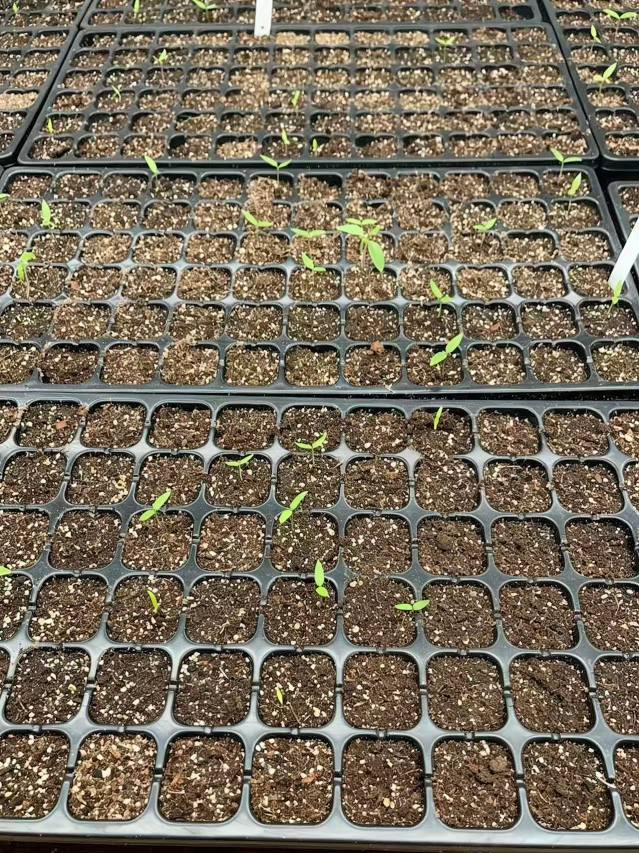
Previously, what farmers were most worried about was the problems of waste of seeds, re-sowing, and missed sowing, which were all solved at the same time. This machine can achieve one seedling per hole or multiple seeds per hole. The sowing accuracy can reach over 98%. For seeds like tomatoes and cabbages that are calculated by the number of seeds, it can save over 50%. The depth of making holes can be adjusted, and different crops can use different seed trays. The applicability of the seed tray seedling raising machine is wide: national standard plastic trays, foam trays, and non-standard seed trays can be customized. It can fully match all requirements.
The seed tray línea de siembra para viveros is made of industrial-grade stainless steel. It is resistant to high temperatures, corrosion, and has a long service life.
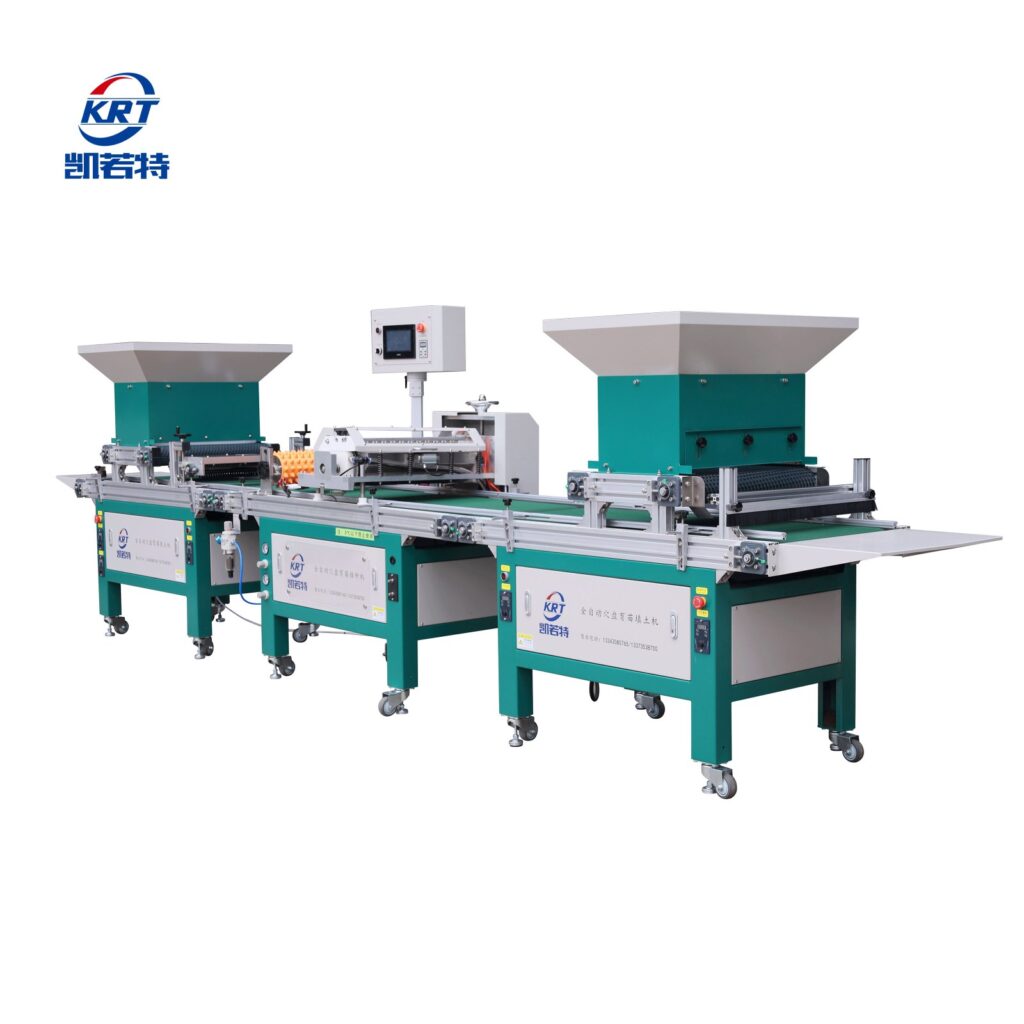
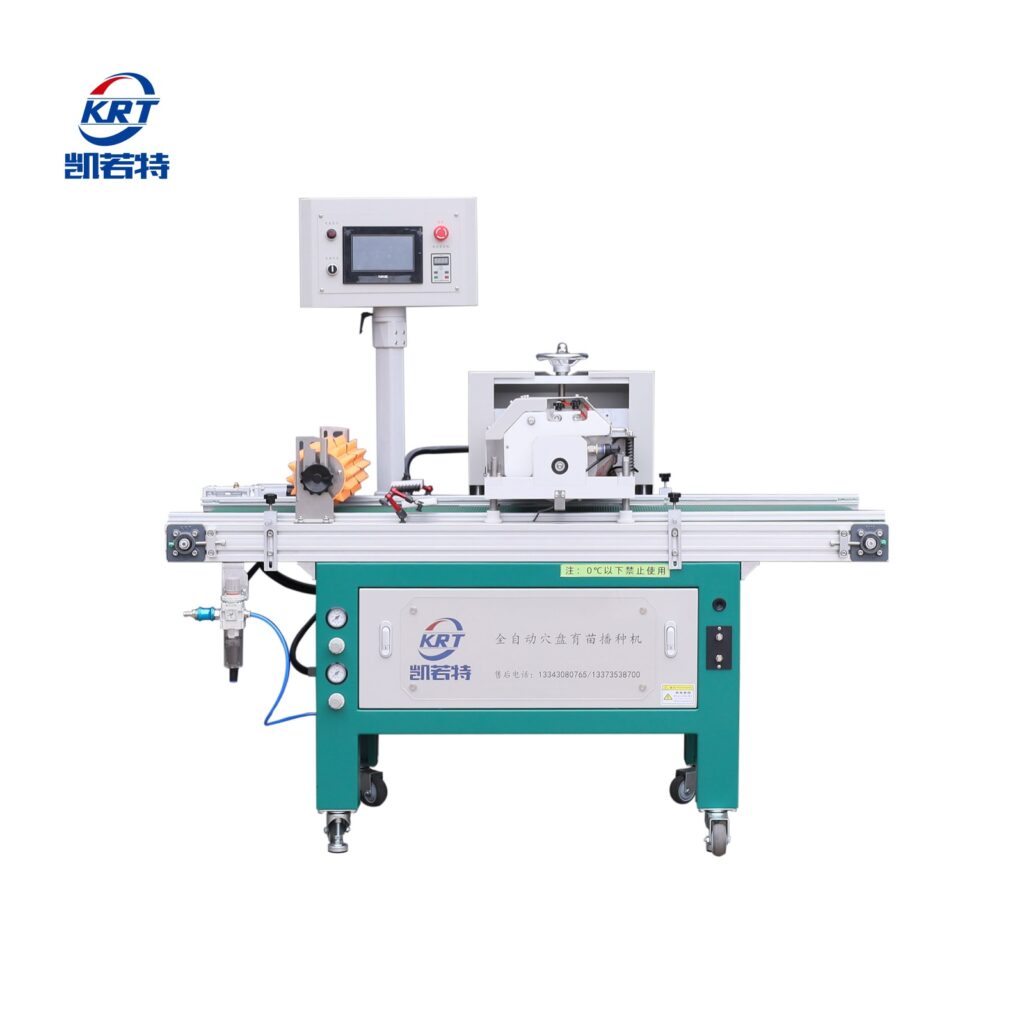
This seed tray línea de siembra para viveros uses a 7-inch LCD screen of PLC, equipped with a Siemens control system, infrared sensors from Panasonic and Japan Omron, and pneumatic components from Japan SMC. These first-line brand components operate in coordination. And the entire production line can be operated by only 3-4 people, with less human involvement, improving the seedling cultivation efficiency.
Calculating the cost: During the concentrated seedling raising period, assuming 20 days, 800 trays per hour, and 8 hours of work per day, it is 6,400 trays in a day, 20 days is over 120,000 trays. Previously, this job would require over a dozen workers to work for less than a month. The saved labor, saved seeds, along with the higher transplant survival rate and earlier market entry price, a machine can earn back the money in 3 months, and then it will be a pure profit. If there is no demand for the seeds, it can also be used to help neighboring areas with seedling cultivation, and earn processing fees as a bonus.
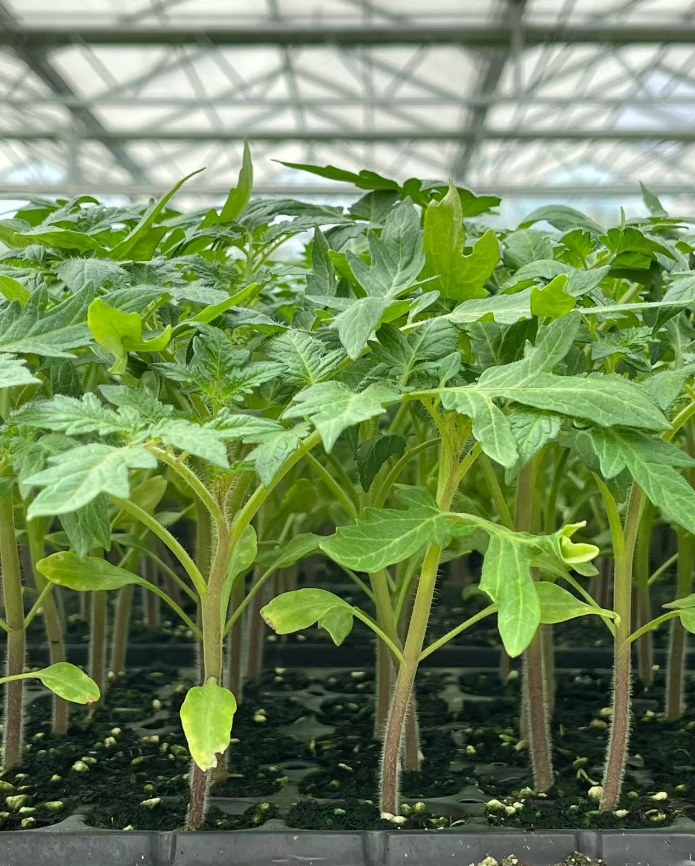
Mechanized seedling raising is not just for following trends; the most important thing is that it can help us increase seedling cultivation efficiency and save labor costs. This can bring us the maximum economic benefits.