
Seedling cultivation is the first crucial step in agricultural production. The uniformity and robustness of the seedlings directly determine the yield and quality of the crops. The traditional manual seedling cultivation not only requires a large amount of manpower, but also has problems such as inconsistent depth during manual sowing, uneven emergence, and waste of a large number of seeds. This severely restricts the development of the seedling cultivation industry.
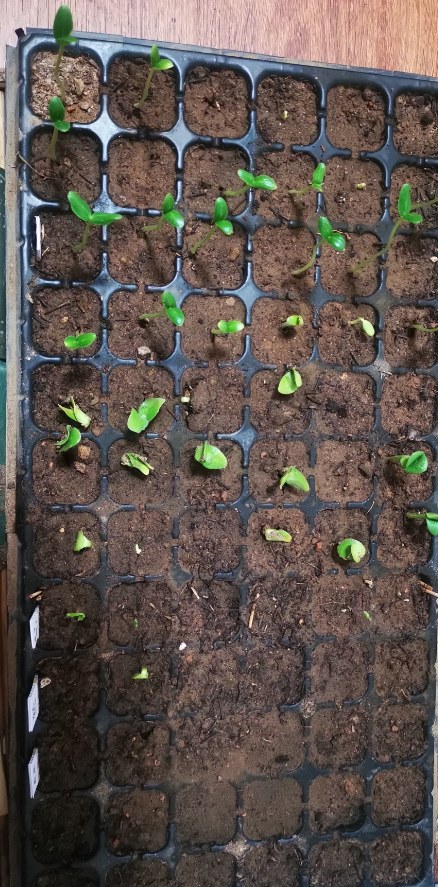
Nowadays, the emergence of línea de siembra para viveros has completely solved the problems of manual seedling cultivation and achieved the standardization of the seedling cultivation process, moving seedling cultivation from “experience-based” to “standardized”.
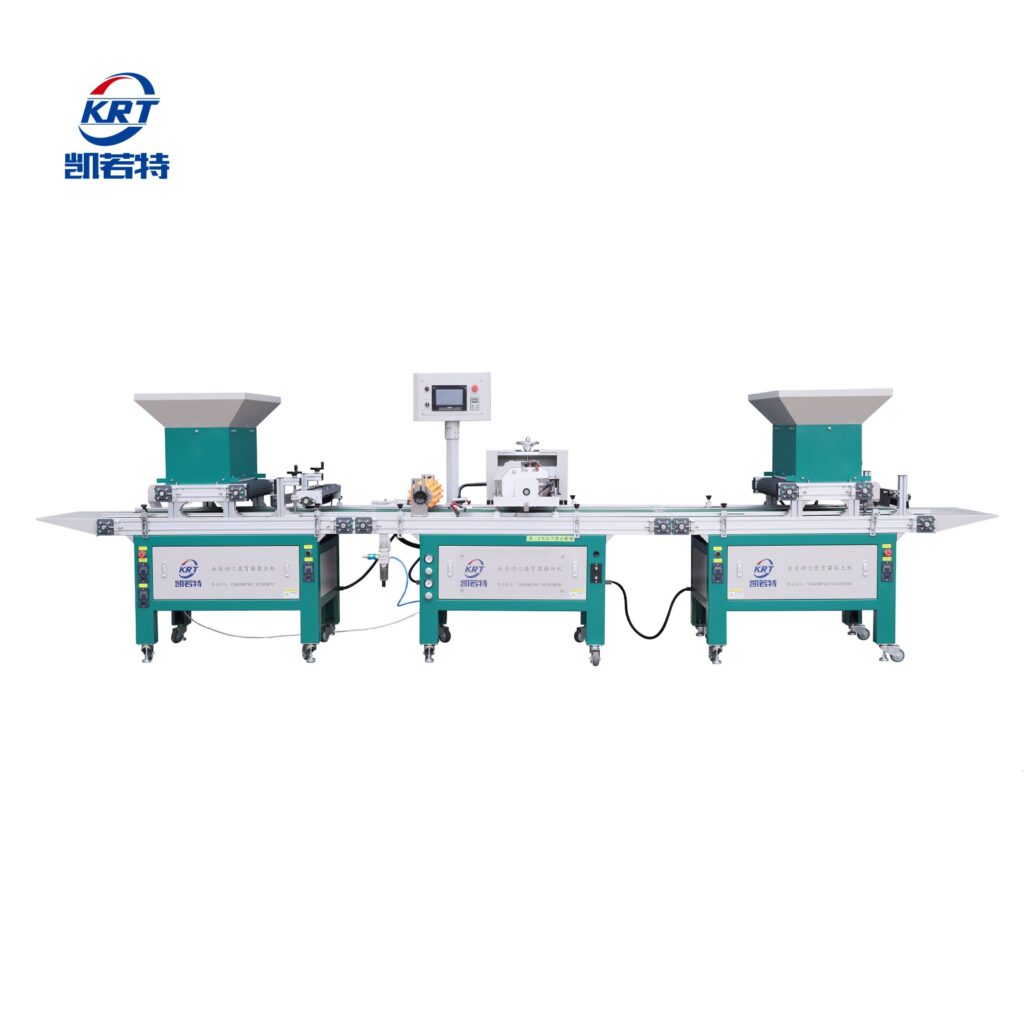
Compared with traditional seedling cultivation, the core advantage of the línea de siembra para viveros lies in its ability to complete seven functions such as substrate loading, rolling, hole pressing, sowing, secondary filling, watering, and tray transfer in one machine. The entire production line can be operated by only 3-5 people, significantly reducing the involvement of manual labor and improving work efficiency.
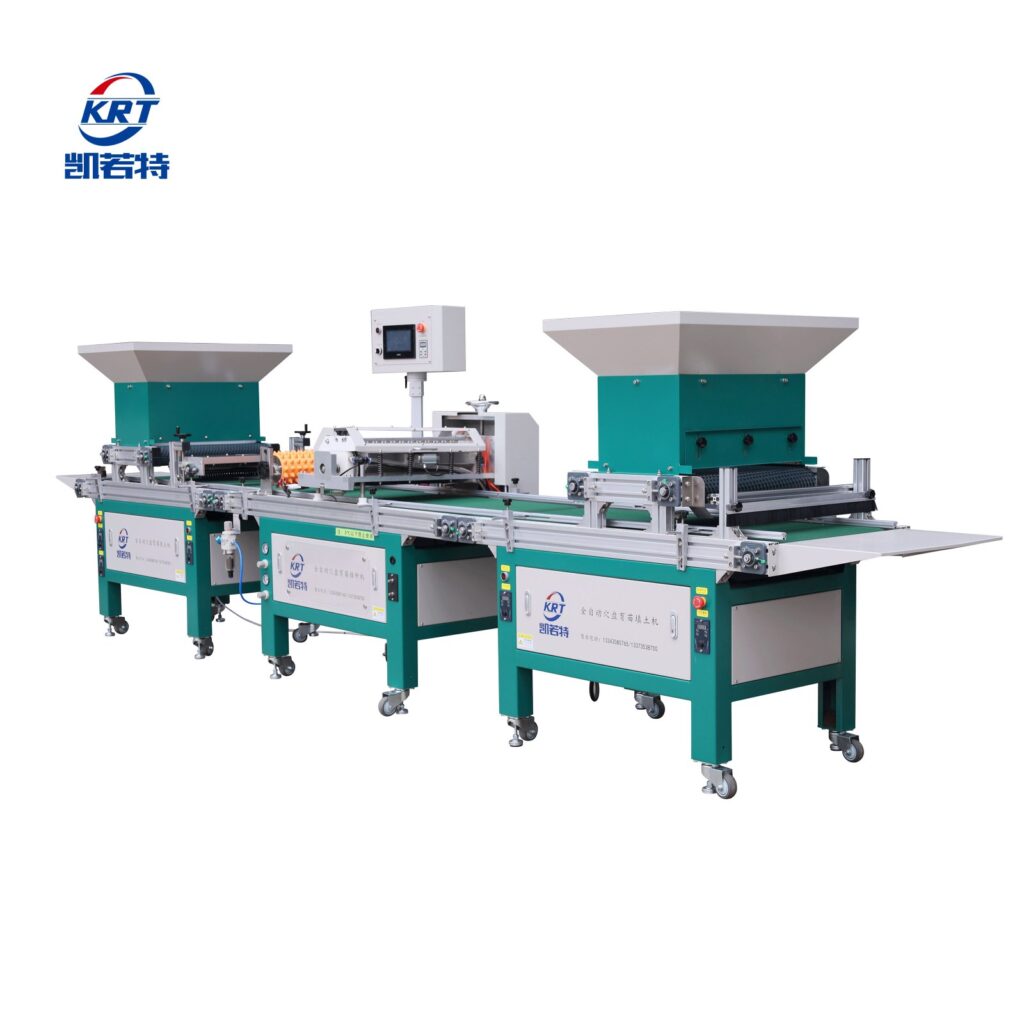
En línea de siembra para viveros adopts a PLC intelligent control system, which operates in harmony with various brand components, ensuring stable machine operation, high efficiency, and the ability to sow 800 trays per hour, with an sowing accuracy of over 98%.
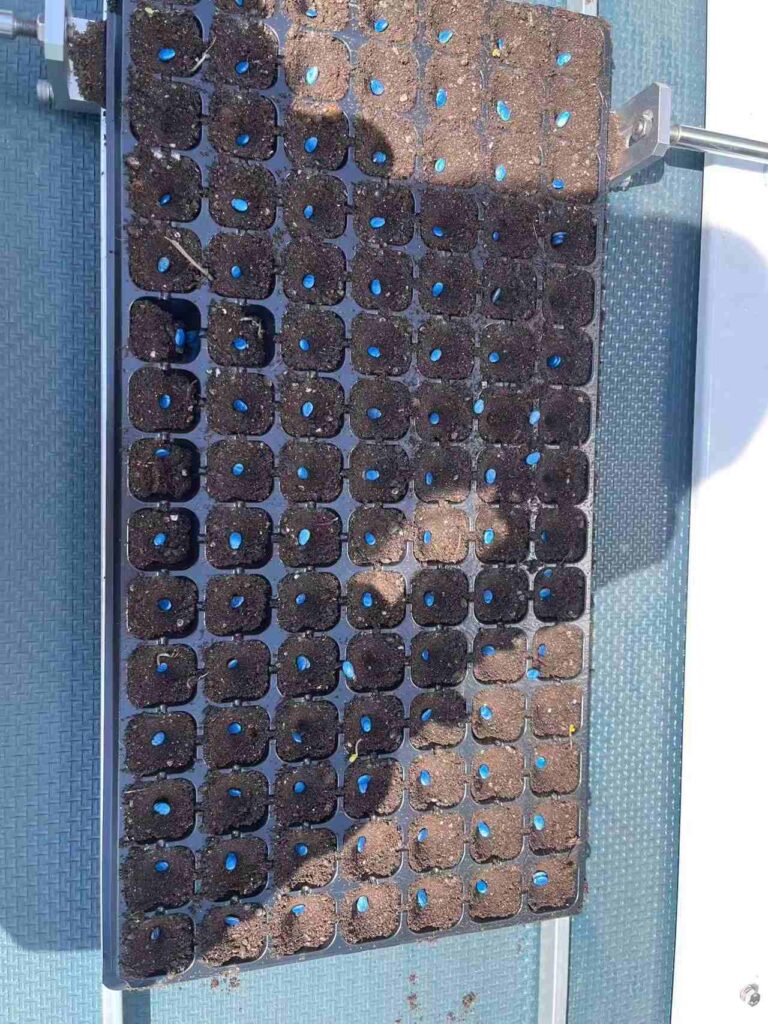
One seedling equipment can complete thousands of trays of seedling cultivation per day, and this seedling cultivation efficiency is incomparable to manual cultivation.
Moreover, thisnursery seeding line has a wide range of applications, such as vegetables, medicinal plants, tobacco, flowers, etc. It truly achieves multi-purpose use with one machine.
Thenursery seeding line can better accommodate different specifications of trays. For example, national standard plastic trays, foam ticket trays, and custom-made non-standard trays are available.
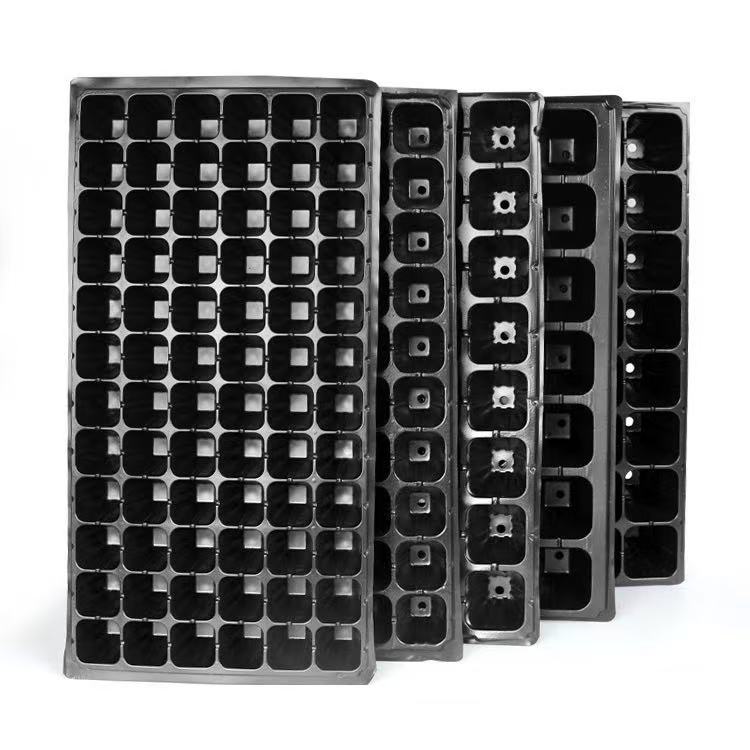
At the same time, standardized seedling cultivation is convenient for centralized management, with well-developed root systems. The transplant survival rate is high, and it can be marketed earlier. This lays a solid foundation for subsequent high yields.
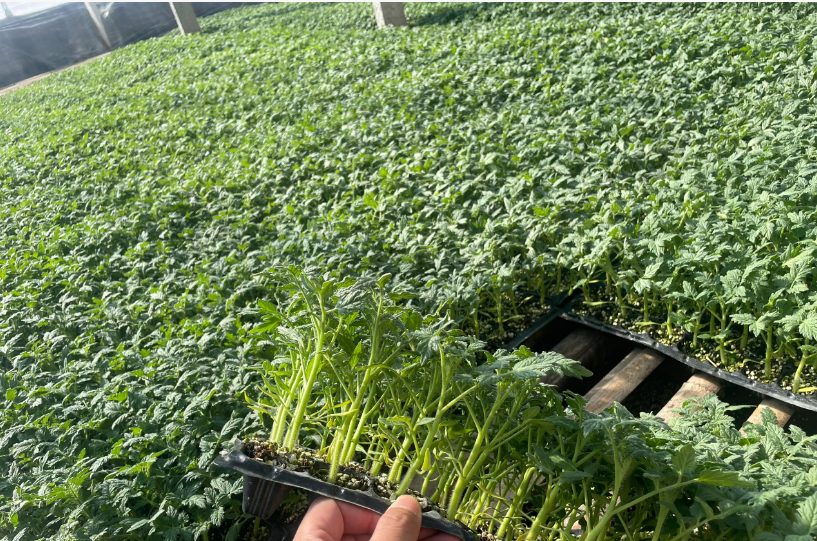
This small seedling machine reflects the grand transformation of modern agriculture. It is not only a farming tool that liberates manpower and improves efficiency, but also an important carrier for the modernization, standardization, and green development of agriculture.