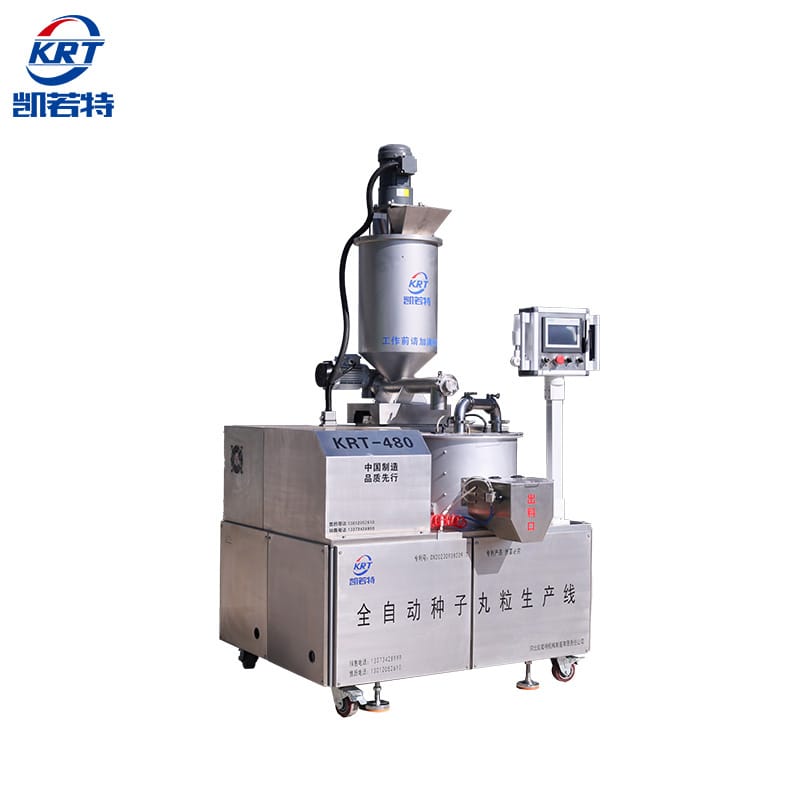
Carrot seeds are similar to rice husks in shape, they are small, light, and covered with fine hairs on the edges. They tend to stick together easily. It is impossible to sow directly. In the past, carrots had to be planted manually. Manual planting cannot precisely control spacing and density, so manual thinning is required after emergence, resulting in significant waste of both labor and seeds. Carrot seed pelleting technology provides an effective solution to this problem.
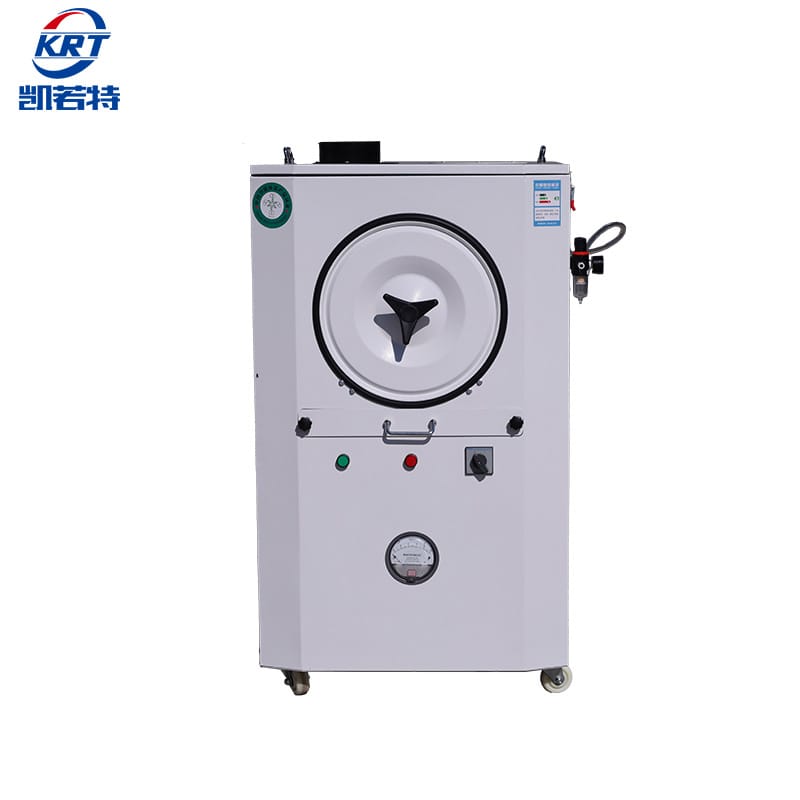
Carrot seed pelleting uses professional pelleting equipment and specific materials. With the seed as the core, professional coating materials are evenly layered onto the seed surface via high-speed, uniform centrifugal granulation technology. This process can enlarge the seed by several times or even dozens of times, resulting in regular shape and uniform, which creates favorable conditions for precise sowing. It enables one seed per hole, accurately controlling seeding rate and reducing seed waste.
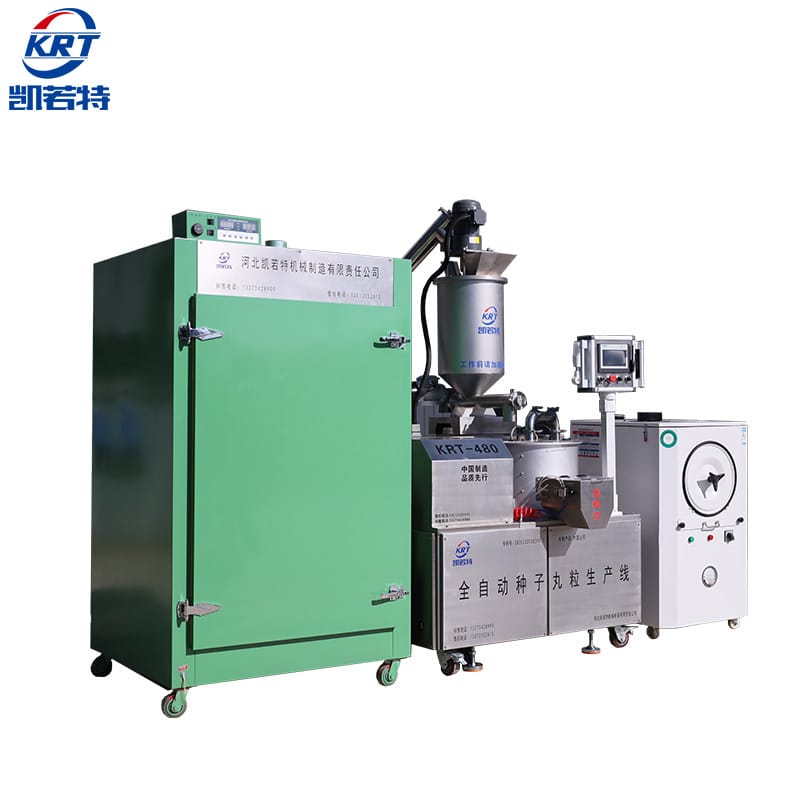
The pelleting material forms a protective barrier for the seed, enhancing its resistance to adverse environments. Nutrients and other additives can be incorporated during pelleting, allowing seeds to be sown with fertilizers and pesticides to protect seedlings, promote strong growth, and regulate crop development. After sowing, seedlings emerge uniformly and plants grow consistently, facilitating field management such as fertilization, weeding, and pest and disease control.