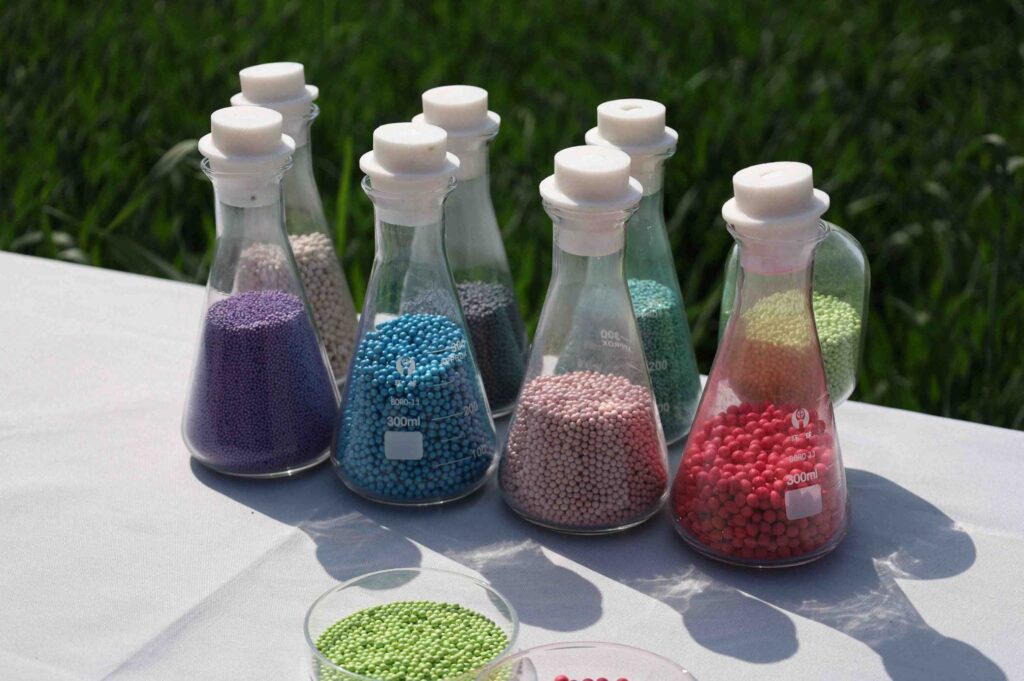
In the drive toward agricultural modernization, precision sowing is key to boosting crop yields and minimizing seed waste. However, the small size and light weight of many vegetable seeds have long made achieving mechanized precision sowing a major challenge.
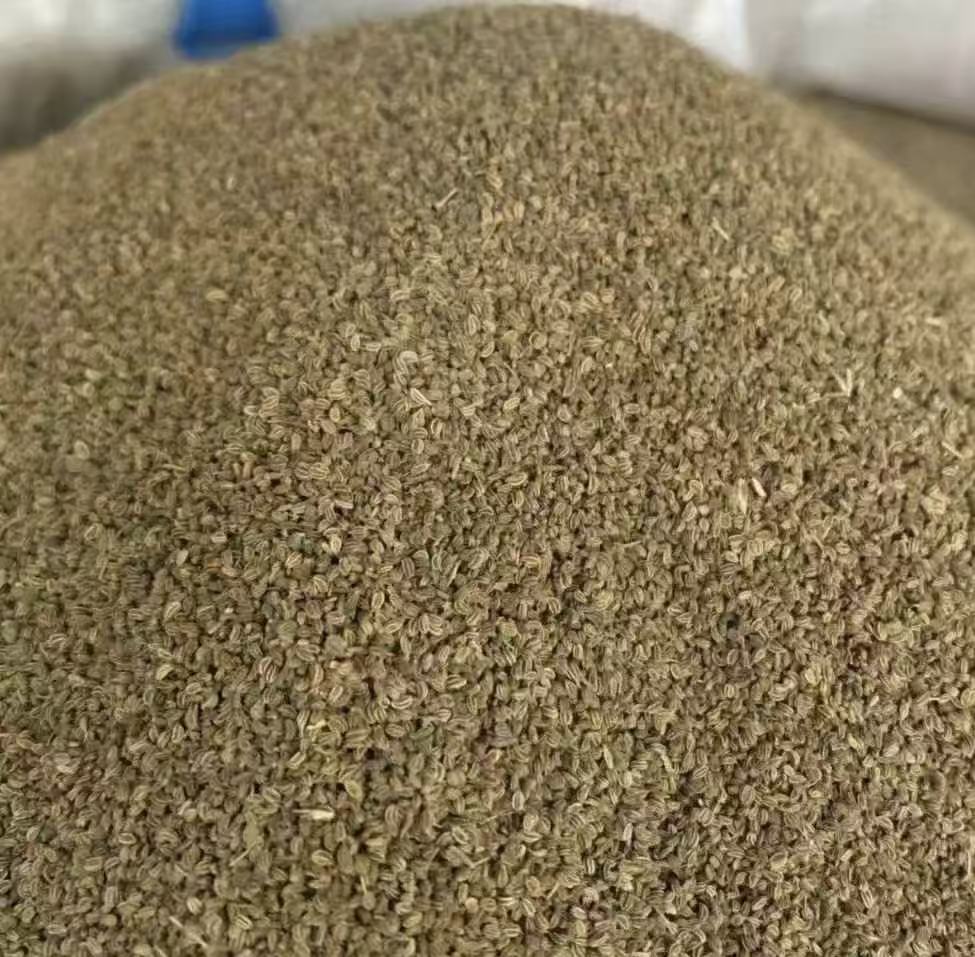
Fortunately, modern technological advancements have led to the development of specialized equipment: the seed pelleting machine.
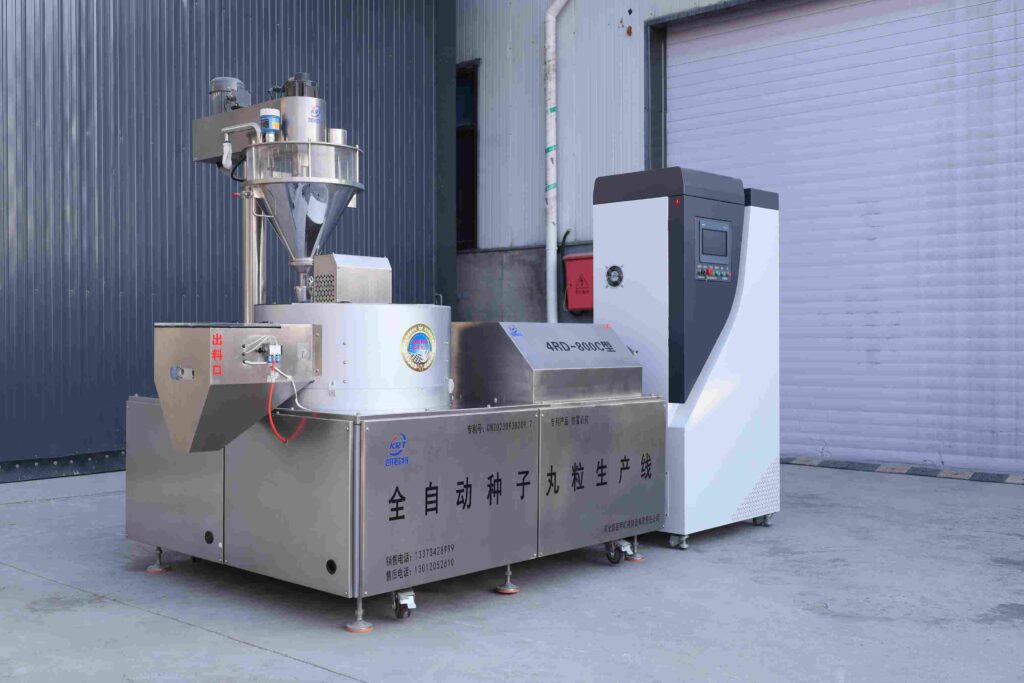
While the machine’s size might make it look intimidating or difficult to use, it is actually fully automated and designed for simple, one-touch operation.
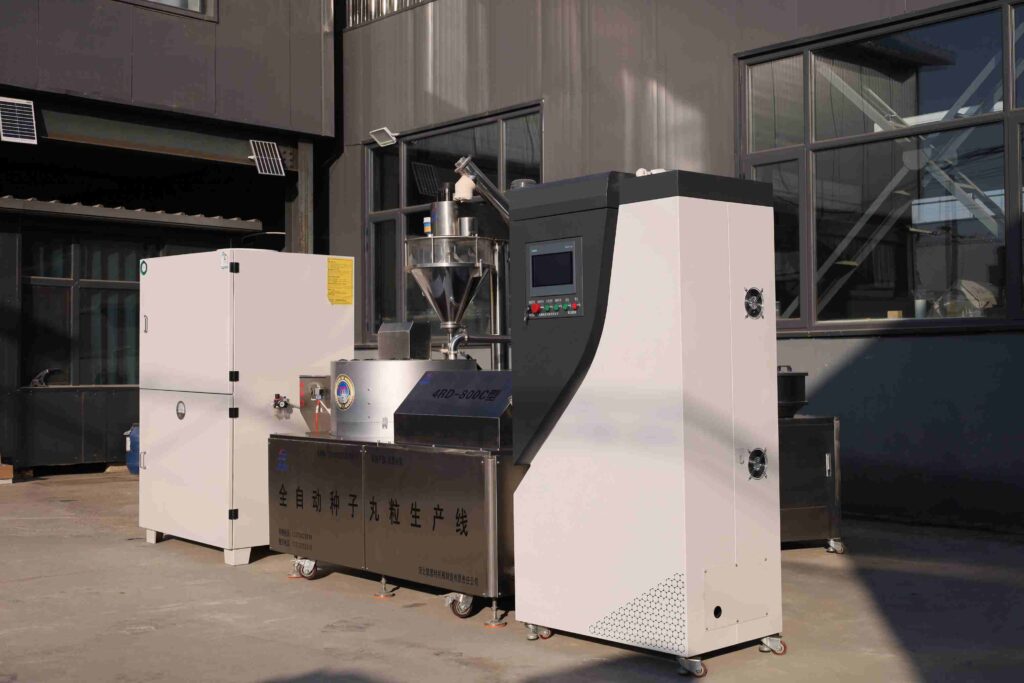
This seed pelleting production line consists of four integrated components: the main pelleting unit, a Siemens control cabinet, a pulse dust collector, and an automatic loading lift. These components operate in coordination to produce uniformly sized pellets, achieving a single-seed rate of over 98%.
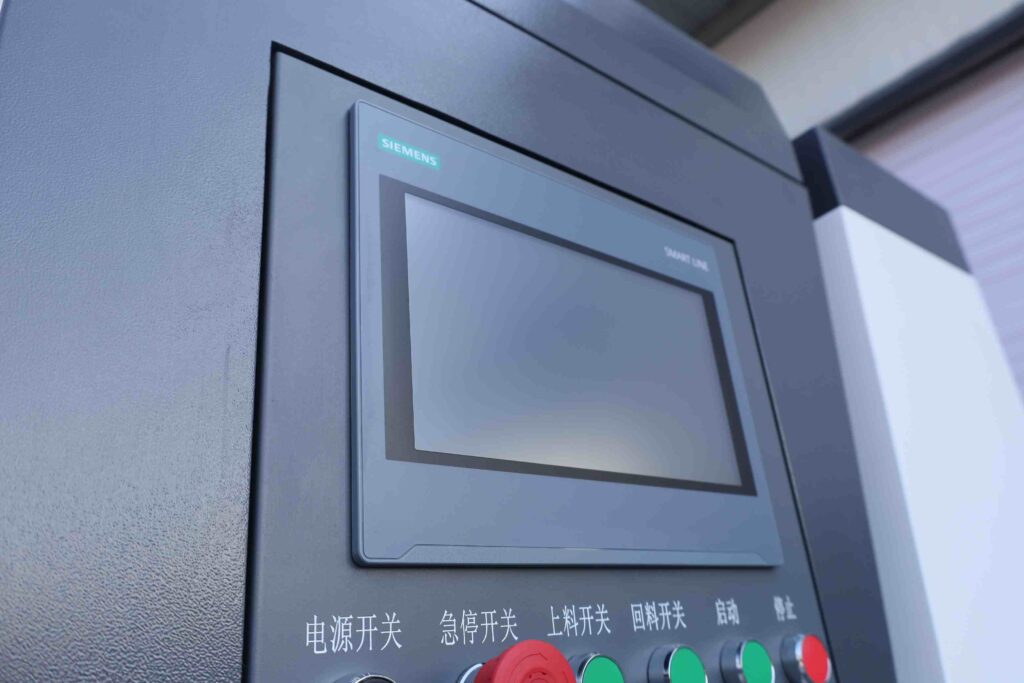
The control cabinet utilizes Siemens components throughout—down to the smallest rotary switches—ensuring robust logic, precise control, and long service life. It incorporates over a decade of pelleting formulation expertise, allowing for one-touch recipe selection and eliminating the need for tedious manual mixing. Additionally, it provides real-time monitoring of powder and water feed rates.
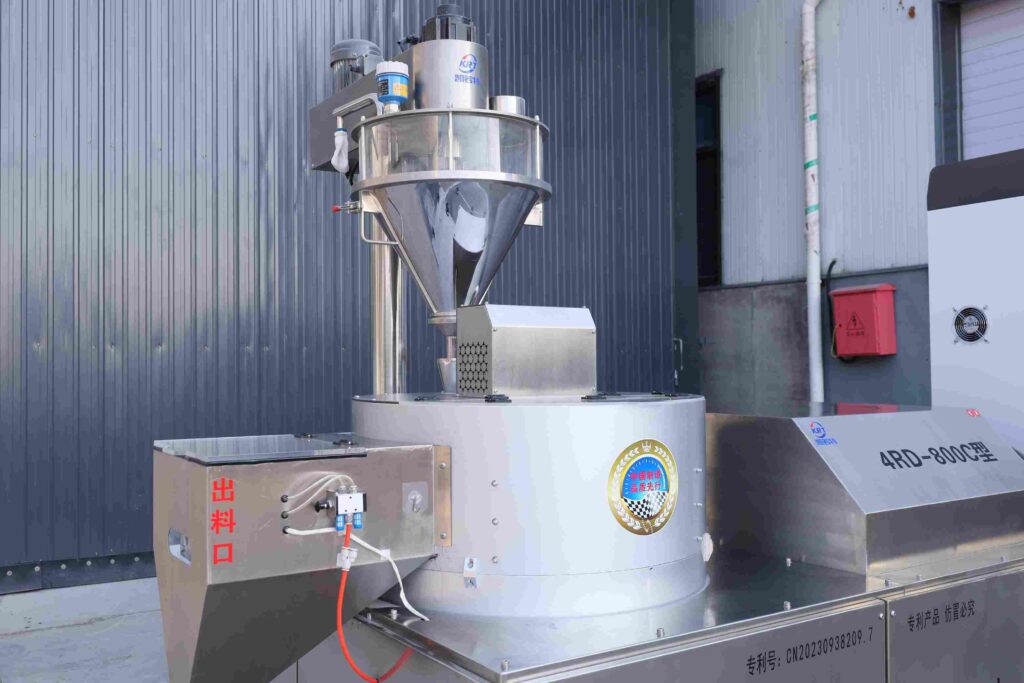
The core unit of the machine is designed primarily for seed pelleting. At the top, the powder supply system utilizes precise metering and a vertical screw mechanism to ensure accurate powder delivery. Liquid is supplied via a medical-grade peristaltic pump, with adjustable flow rates. The machine operates on the principle of ultra-high-speed centrifugal force, keeping the seeds in a suspended state throughout the process; this results in individually formed pellets with a single-seed rate of up to 98%. During pelleting, chemical agents or formulations can be added to enhance the seeds’ stress resistance and reduce damage from pests and diseases.
The pulse dust collector primarily captures fine dust particles, thereby minimizing health risks to operators and improving material utilization rates.
An automatic loading lift ensures a continuous supply of powder during the seed pelleting process.
The seed pelleting machine has a processing capacity of 500–8,000g per batch, with a processing time of 30 minutes, making it suitable for large farms, seedling nurseries, and agricultural cooperatives.
The machine offers true versatility, accommodating a wide range of crops such as tomatoes, peppers, cabbage, celery, and lettuce.
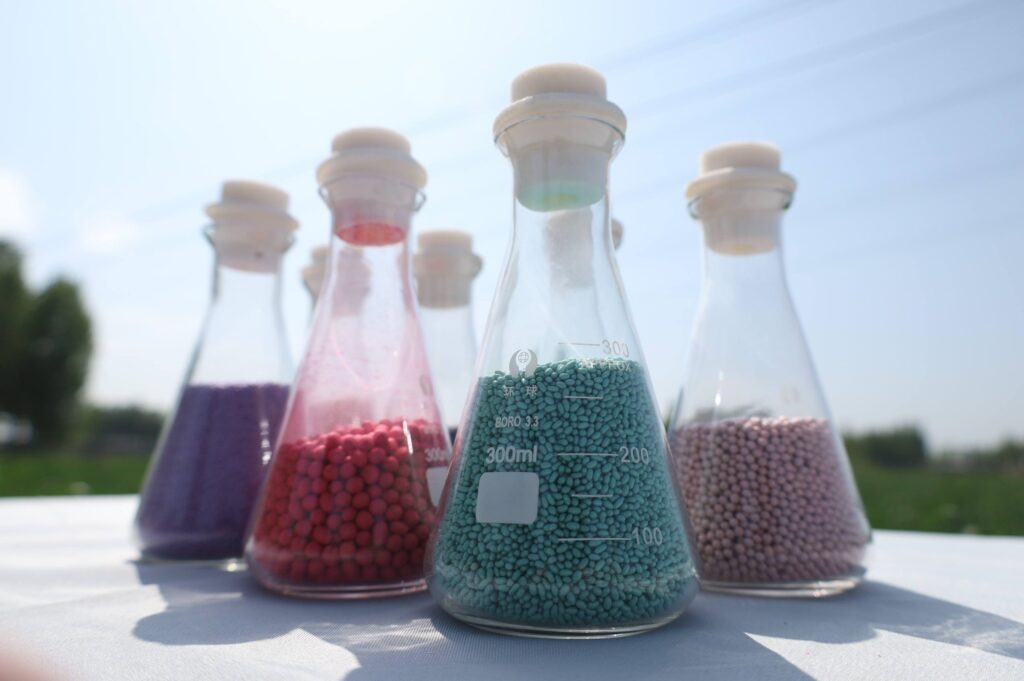
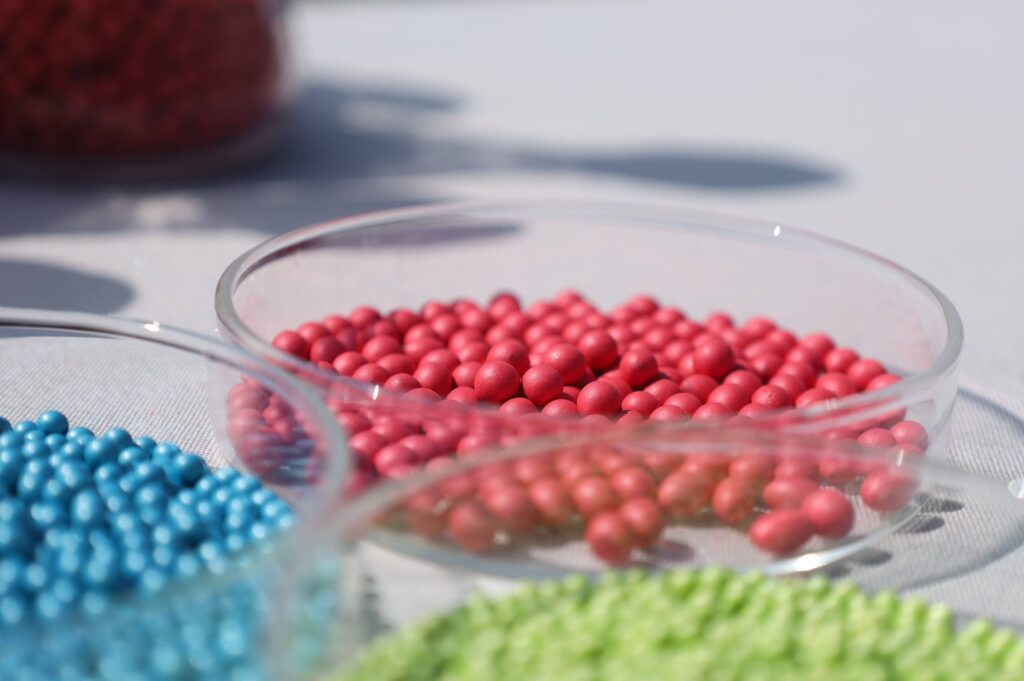
Pelleted seeds are suitable for mechanized precision sowing, eliminating the need for later thinning and saving on seed costs while improving seed utilization rates.
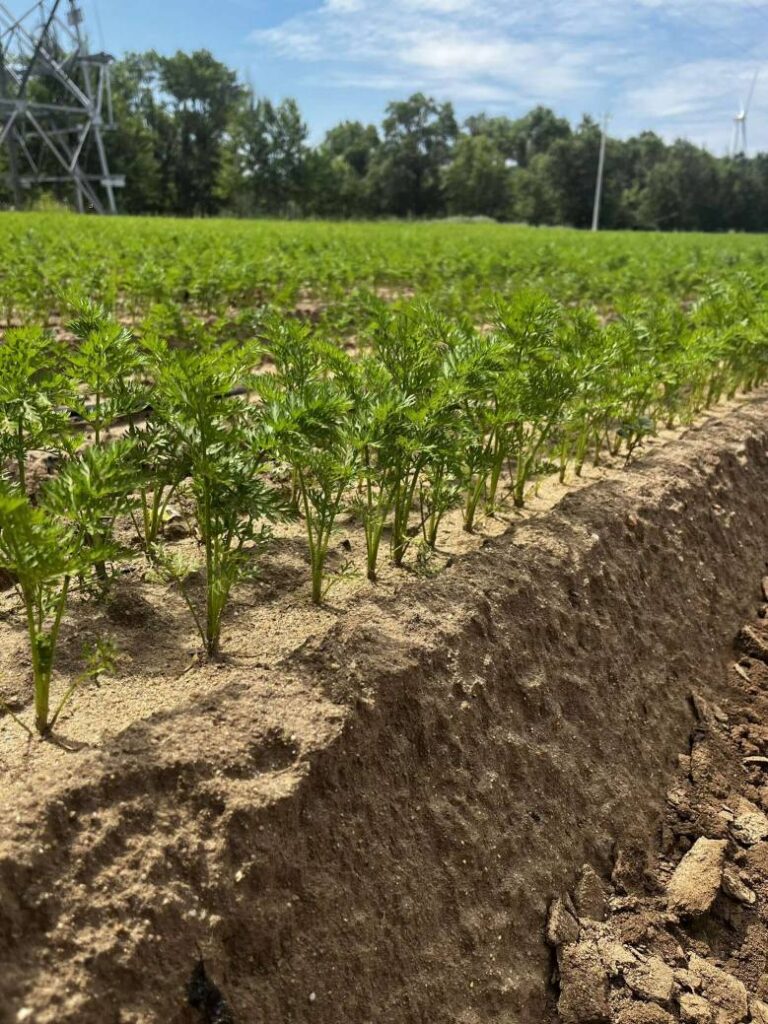
Pelleting machines encapsulate small, hard-to-sow seeds into uniform pellets, enabling planters to deposit exactly one seed per hole. This minimizes waste and ensures uniform seedling emergence, giving farmers peace of mind and boosting their income. In short, technology makes farming simpler and more efficient.